
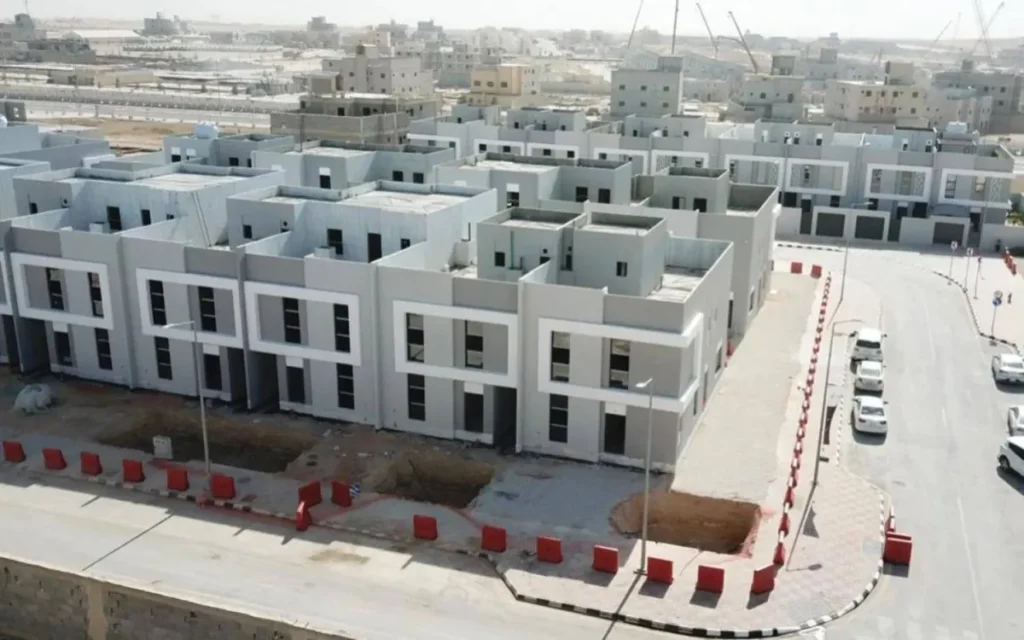
The Kingdom of Saudi Arabia is implementing stricter measures to curb evasion of white land taxes, introducing a regulatory framework that ties the notarization of real estate transactions directly to the verification of tax payments. This move aims to align the financial obligations of landowners with their actual behavior, thereby enhancing market efficiency and increasing the supply of developed properties.
Cabinet Approval and Regulatory Framework
The Saudi Cabinet recently approved a decision stipulating that no real estate transaction transferring ownership of land subject to the White Lands and Vacant Properties Tax system will be documented unless it is verified that all outstanding dues have been settled. This regulation targets a specific loophole where owners previously transferred property titles to new buyers before settling their tax liabilities, effectively shifting the burden without resolving the debt.
Majed Al-Hogail, the Minister of Municipal and Rural Affairs and Housing, stated that this approval is designed to protect state rights while incentivizing landowners to develop their properties. By ensuring that taxes are paid before any transfer of ownership occurs, the government seeks to boost the housing supply and stabilize the real estate market. The minister emphasized on social media that the measure ensures the verification of payments prior to documenting any ownership-transferring transactions, contributing to market balance and efficiency.
Evolution of the Tax System
The white land tax regime in Saudi Arabia has undergone significant evolution to meet national development goals and inject more inventory into the local market. Initially introduced in 2015 with a fixed rate of 2.5 percent, the system has transitioned to a modern invoicing model implemented this year. Under the current directives from Crown Prince Mohammed bin Salman, annual fees can reach a maximum of 10 percent of the land’s value. This escalation is intended to raise the cost of holding undeveloped land, compelling owners to either develop the property, pay the accumulated fees, or sell it after clearing their obligations.
Market Impact and Expert Analysis
Khalid Al-Mubayyid, Chief Executive Officer of Manateq Real Estate Company, explained that the new cabinet approval prevents the transfer of land to a new owner while tax dues remain pending. He noted that this closes the path for evading fees through ownership changes, making the taxes intrinsically linked to the land itself. Al-Mubayyid added that linking documentation to payment makes collection more effective, as sales and transfers are critical pressure points that are difficult to bypass. The decision forces owners to choose between developing the land or paying the fees if they wish to retain or sell it, thereby increasing the incentive to bring properties to market.
Ahmed Omar Basudan, a real estate developer and specialist, confirmed that the new step eliminates evasion and speculation behaviors associated with hoarding vacant land. He argued that holding undeveloped land has become costly, forcing some owners to sell or develop rather than waiting for price increases. This expansion of available land for development helps alleviate congestion in the real estate market, particularly in cities with high demand. Basudan noted that this could gradually reflect on land prices, development costs, and housing affordability. The broader tax system now covers both white lands and vacant properties, supported by an executive regulation that facilitates fee calculation, property status monitoring, and anti-evasion enforcement.
This story was produced in the newsroom from the disclosed sources named above.