Robotic Connection in Deep Waters
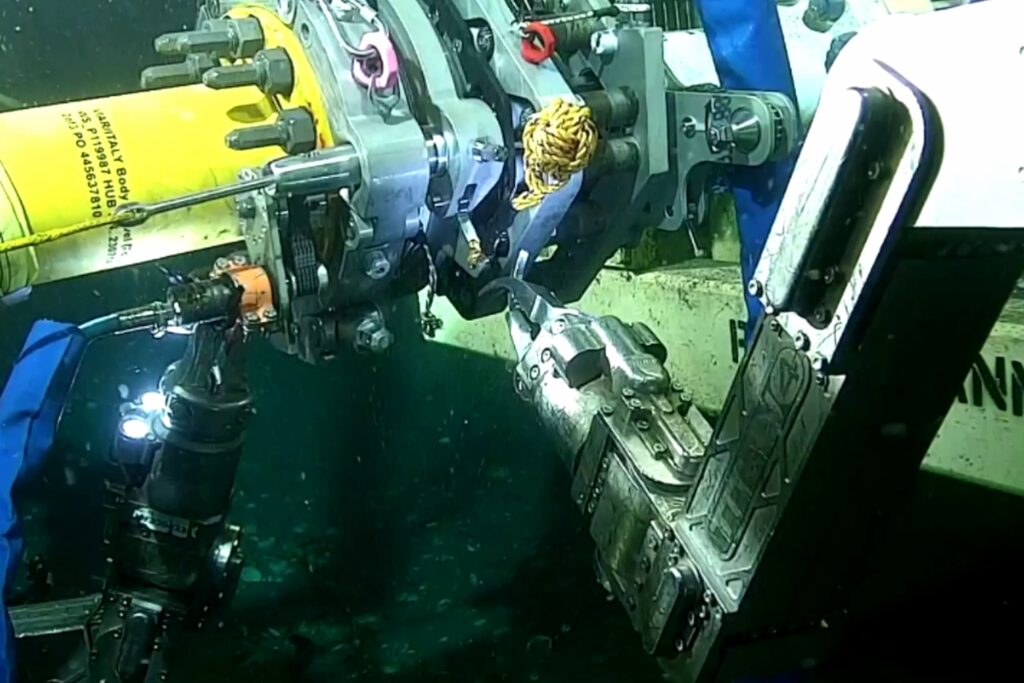
In the British sector of the North Sea, the Teal West oil and gas field has officially commenced operations following a successful connection to a floating production, storage, and offloading (FPSO) unit. This milestone was achieved without the presence of human divers, marking a significant shift in offshore engineering practices. The operation took place at depths reaching 90 meters, where Norwegian company DeepOcean utilized advanced robotic technology to link the field’s first producing well to the platform.
Operational Details and Technology
The connection process relied on a remotely operated vehicle (ROV) equipped with necessary tools and equipment. Acting as a “robotic diver,” the ROV performed critical tasks such as operating machinery, connecting tools, and linking pipelines and valves from the subsea wellhead tree to the FPSO. This innovative approach replaced the traditional role of divers in such high-risk underwater environments. The project involved three wells: two designated for production and one for water injection, according to data published by Offshore Energy.
Stakeholders and Project Background
The Teal West field is located in block 21/24d within license P2535, approximately 87 kilometers west of the border between the United Kingdom and Norway. The field development is managed by Anasuria Operating, a joint venture between Malaysian companies Ping Petroleum and Hibiscus Petroleum. In late August 2024, Anasuria awarded the connection contract to Ocean Installer, which then deployed DeepOcean’s robotic solutions to execute the tie-in.
Integration with Existing Infrastructure
The FPSO used for this operation, named Anasuria, is not a new vessel but has been in service since 1996. The integration of Teal West adds another asset to the platform, which already produces from the Gullfaks A, Cato, Teal, and Teal South fields. This brings the total number of connected fields to five, enhancing the utility of the aging infrastructure.
Industry Implications
Richard Petty, Chief Executive Officer of Anasuria, highlighted that the successful connection resulted from collaboration among operators, contractors, service providers, and smart technology suppliers. He noted that DeepOcean’s ability to complete the subsea tie-in using existing floating infrastructure strengthens the UK North Sea energy sector and local supply security. Robin Mawney, Deputy CEO for Europe, Middle East, and Africa at DeepOcean, stated that connecting the first well signals the start of operational phases for the field using intelligent robots. This event follows previous instances where Equinor employed five robots for land and sea operations in the energy sector, demonstrating a growing trend toward automation in offshore maintenance and construction.
This story was produced in the newsroom from the disclosed sources named above.