
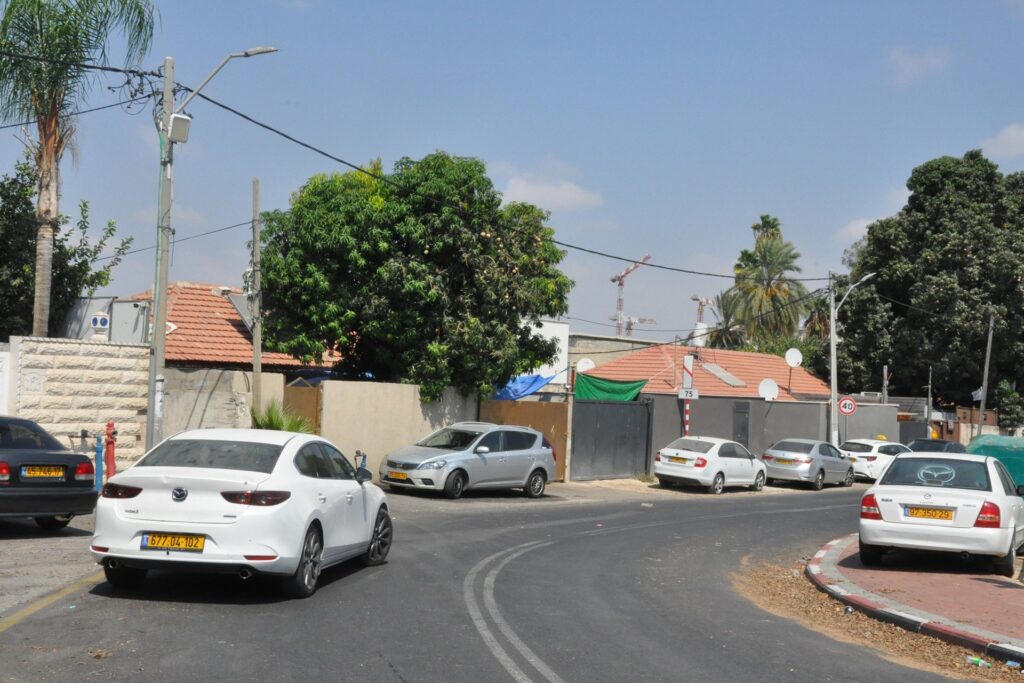
Residents of the Mahatta district in central Lod are confronting an immediate threat to their homes as more than 70 Palestinian families receive eviction and demolition orders. The situation has escalated rapidly, with some notices granting residents deadlines as short as one week to vacate their properties. This surge in enforcement actions has reignited fears among the local population that they are facing a new displacement event, reminiscent of the 1948 Nakba.
Historical Roots of the Dispute
The Mahatta district derives its name from the main railway station established during the Ottoman era, which historically served as a critical link connecting northern Palestine to the south via Haifa and Jaffa. During the British Mandate, Palestinian families settled in the area to work in the railway sector. Following the events of 1948, the neighborhood became one of the largest concentrations of internally displaced Palestinians within Lod, hosting families expelled from their villages as well as Bedouin families forced to relocate from the Negev during the subsequent military rule period.
Sayyid al-Zbarqa, a member of the Lod Municipal Council, emphasized that the struggle against displacement is not a recent phenomenon. He noted that successive Israeli governments have consistently pursued policies favoring Jewish settlement while simultaneously targeting Palestinian residents. According to al-Zbarqa, the current eviction efforts are part of a long-standing pattern where urban planning initiatives systematically exclude Arab residents despite their historical ties to the land.
Development vs. Displacement
Lod, which has a total population of approximately 100,000, including over 27,500 Arabs according to municipal data, is currently undergoing significant urban transformation. The city administration is advancing various commercial, residential, and institutional projects. However, residents argue that these development plans do not guarantee their rights or provide adequate alternative housing solutions prior to eviction.
Critics contend that past infrastructure expansions, including the widening of railway networks and the construction of public facilities, largely bypassed the Arab community. Consequently, the Mahatta district remains isolated between railway lines and new buildings, suffering from neglect and a lack of basic services. Residents maintain that their ancestors inhabited the area before 1948 or sought refuge there after being expelled from their original lands, asserting their right to remain in their homes.
The impending evictions have drawn sharp criticism from local advocates who view them as a continuation of demographic engineering rather than genuine urban renewal. With no clear relocation strategies offered by authorities, the families in Mahatta are preparing to resist the orders, insisting that development should not come at the cost of their permanent displacement.
This story was produced in the newsroom from the disclosed sources named above.