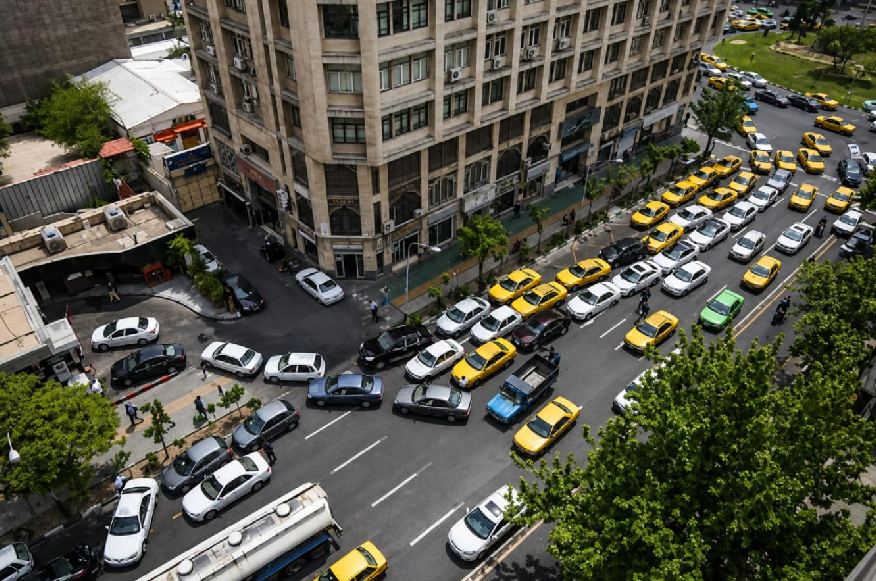
The ongoing fuel shortage in Iran has transcended mere scarcity, evolving into a multifaceted crisis that severely disrupts daily life across the nation. Recent reports indicate that closed gas stations and extensive queues in Tehran and several provinces are no longer just symptoms of an energy imbalance but represent a broader societal strain. Citizens are spending hours waiting for small quantities of gasoline, only to sometimes find stations empty or closed upon their turn.
Economic Impact on Drivers and Commuters
The burden falls disproportionately on taxi drivers, ride-hailing service operators, and delivery personnel whose livelihoods depend on vehicle availability. For these workers, time spent in fuel queues translates directly into lost income. A driver who spends one or two hours at a station not only incurs fuel costs but also forfeits working hours. The situation is equally dire for families relying on private cars due to inadequate public transport, forcing them to choose between continuing employment and allocating a larger portion of their monthly income to transportation costs.
Geographic Spread and Infrastructure Strain
The crisis extends beyond the capital. In Babol, residents reported that most stations were closed, with the remaining one operating via generator due to power outages, requiring waits until midnight. In Mashhad, long lines formed at dawn outside the Delavaran station in Reza Shahr, while similar scenes unfolded on highways connecting Tehran and Karaj. Video evidence confirms that major stations in Tehran, including Tehran, Niyavaran, Valiasr, Farmanieh, Tajrish, Shariati, Jordan, Bagh Ferdows, and Gohardasht, have experienced severe congestion or complete depletion of both gasoline and diesel.
Government Strategy and Policy Ambiguity
An analysis by the “Donya-e-Eqtesad” newspaper suggests the government under President Masoud Pezeshkian is implementing a silent strategy to manage the crisis by capping fuel distribution at domestic production levels without importing or tapping strategic reserves. This approach shifts the problem from price to availability, effectively imposing unannounced rationing. While official prices remain unchanged, those with the flexibility to wait in long lines secure fuel, creating inequality against workers and employees unable to leave their posts.
Compounding the confusion are contradictory statements from officials. The President’s office head confirmed that reducing gasoline quotas is decided, yet Parliament Vice Speaker Ali Nikzad stated that the subsidized 60-liter quota at 1,500 tomans per liter remains intact. He further clarified that the 70-liter quota at 3,000 tomans would be reduced to 50 liters, and the 30-liter quota at 5,000 tomans cut to 15 liters. Nikzad ruled out immediate price hikes or a fourth pricing tier, though this ambiguity drives panic buying among drivers fearing sudden changes.
Structural Deficits and Diesel Shortage
Infrastructure damage from recent conflicts has further degraded Tehran’s distribution efficiency. Although over 26 million liters were distributed in the capital on August 24—a 30 percent increase—the surge caused delays in tanker arrivals and temporary stockouts. Simultaneously, a diesel shortage threatens logistics, agriculture, and industry. With heavy trucks consuming approximately 52 million liters of the daily 61.5 million liter transport sector average, disruptions could spike costs for food, construction materials, and industrial goods.
Underlying these immediate issues are decades-old structural problems: aging vehicle fleets with high consumption, refinery deterioration, weak infrastructure, poor public transit, and widespread fuel smuggling. The Iranian Organization for Fuel Consumption Improvement estimates that 40 to 50 percent of consumption issues stem from non-compliant vehicles, indicating that price adjustments or quota cuts alone cannot resolve the production-consumption imbalance.
This story was produced in the newsroom from the disclosed sources named above.