Chaos at Wholesale Distribution Points
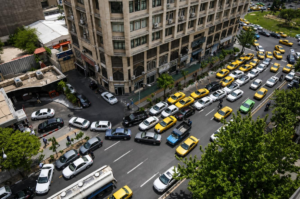
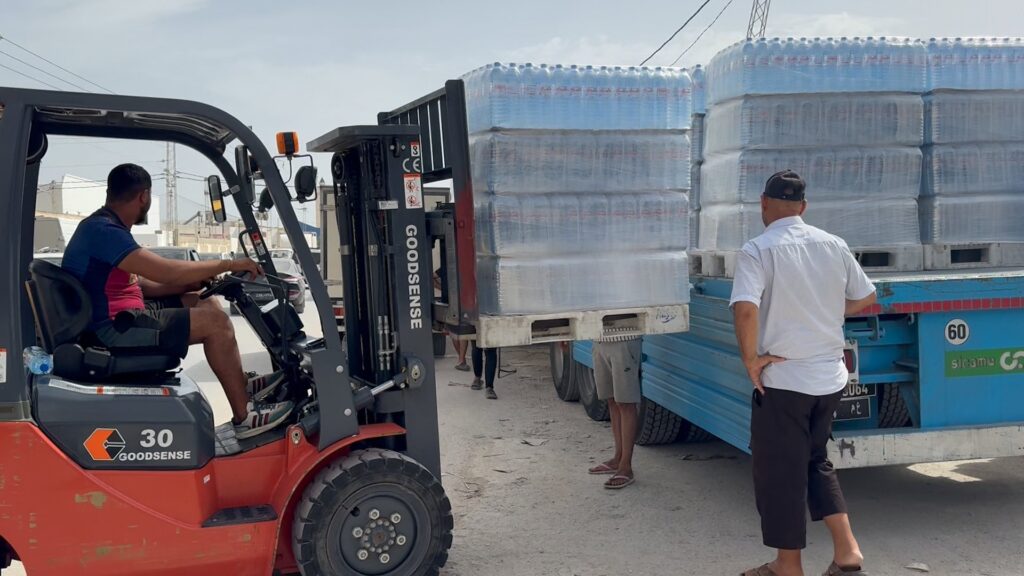
The streets of Tunis have recently witnessed scenes resembling traffic jams, but the congestion is not caused by vehicles. Instead, crowds of citizens gather outside wholesale food stores, waiting for trucks loaded with mineral water bottles. These establishments do not sell directly to consumers; they supply wholesalers and distributors who then deliver goods to retail shops. Despite this, dozens of people stand in line daily, turning the search for a single bottle of water into a routine ordeal. The shortage has persisted for weeks, creating significant tension between suppliers and the public.
Deteriorating Tap Water Quality Drives Demand
The primary driver behind this crisis is the declining quality of municipal tap water. Residents report that water from faucets is no longer safe for drinking, forcing households to rely entirely on bottled alternatives. This shift has led to a sharp increase in consumption rates across the country. Abdul Latif, one of the individuals waiting in line, told Al Jazeera Net that he visits stores daily without success. He explained that the bottled water has been “missing for days,” leaving him with no choice but to wait at distribution points. His experience reflects a broader national trend where basic hydration needs are becoming difficult to meet through standard commercial channels.
Tensions Between Wholesalers and Consumers
The arrival of supply trucks often exacerbates rather than solves the problem. When a truck arrives, it does not immediately restock retail shelves. Instead, the goods are reserved for pre-existing contracts with wholesalers. Ehab Abdel Khalek, a shop owner, found himself trapped between angry crowds and his business obligations. He attempted to clarify the situation to the gathered citizens, stating that the cargo was already sold and destined for specific clients. “I cannot sell you anything; it was sold in advance, and I am preparing to ship it to its owners,” he said. The situation only de-escalated after police intervention helped explain the nature of the wholesale business to the frustrated public.
A Systemic Supply Chain Failure
This incident highlights a deeper issue within Tunisia’s water distribution network. The crisis is not limited to empty supermarket shelves but extends through every link of the supply chain, from manufacturing plants to final consumers. The disconnect between production capacity and distribution logistics has created bottlenecks that leave both retailers and end-users stranded. While the government has begun to address allegations of monopoly and hoarding, the immediate reality on the ground remains one of scarcity and frustration. Citizens continue to face uncertainty regarding their access to safe drinking water, relying on unpredictable deliveries and informal queues to secure essential supplies.
This story was produced in the newsroom from the disclosed sources named above.