
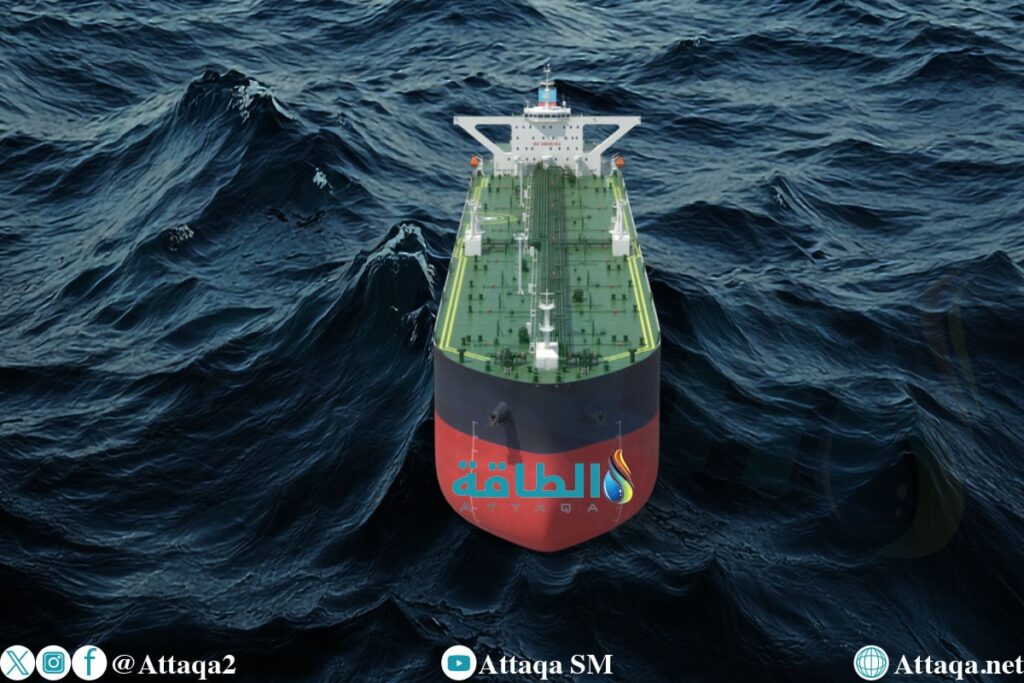
QatarEnergy has launched its inaugural tender for crude oil sales structured around ship-to-ship transfers conducted outside the Strait of Hormuz. This strategic move aims to secure an alternative export route for its crude shipments, reducing reliance on the critical maritime chokepoint that handles a significant portion of global energy supplies. The initiative reflects growing concerns among producers regarding the security and continuity of tanker movements through one of the world’s most vital waterways.
Tender Details and Crude Grades
According to data reviewed by specialized energy platforms, QatarEnergy offered two specific grades for delivery: Shahin crude and offshore Qatar crude. The tender specifies that these cargoes are scheduled for delivery during the first half of October 2026. The deadline for submitting bids was set for noon on Wednesday, August 26, as reported by Reuters. This offering marks a distinct shift from previous tenders, which had requested deliveries directly onto vessels at loading ports in Qatar. Those earlier auctions failed to attract buyers or vessel owners due to hesitancy surrounding navigation through the strait amid escalating regional tensions.
Regional Alignment and Strategic Shift
By adopting this logistics model, QatarEnergy joins major Gulf producers, including Saudi Aramco and the Abu Dhabi National Oil Company (Adnoc), who have implemented similar measures to circumvent risks associated with the Hormuz passage. Since June, Adnoc has issued nine tenders totaling approximately 120 million barrels in the spot market, utilizing a dedicated fleet service to transfer crude outside the Gulf before reloading it onto larger tankers in the Gulf of Oman. Similarly, Saudi Aramco has begun offering crude shipments for delivery beyond the strait to limit exposure to navigational hazards.
These developments indicate a fundamental change in Gulf oil trading mechanics. Securing a shipment now involves not only sourcing the crude but also selecting safe transport routes and delivery locations as core components of supply risk management. The ability to transfer cargo from a medium-sized tanker to a larger vessel in safer waters allows exporters to maintain access to global markets even when tanker owners refuse to enter the congested and volatile waters of the Persian Gulf.
Operational Implications and Market Impact
The ship-to-ship transfer mechanism provides a logistical alternative that enables crude delivery to vessels that do not need to navigate into the Gulf. While this preserves market access, it introduces additional operational complexities. The process may increase demand for marine transportation services in the Gulf of Oman and incur extra costs related to reloading, insurance premiums, and the time required to complete transfers. QatarEnergy’s trial of this method for Shahin and offshore Qatar crudes serves as a test of market capacity to absorb cargoes under these alternative arrangements. As sensitivity to maritime risks rises, such flexible logistics become essential for sustaining export volumes amidst potential disruptions to global shipping lanes.
This story was produced in the newsroom from the disclosed sources named above.