
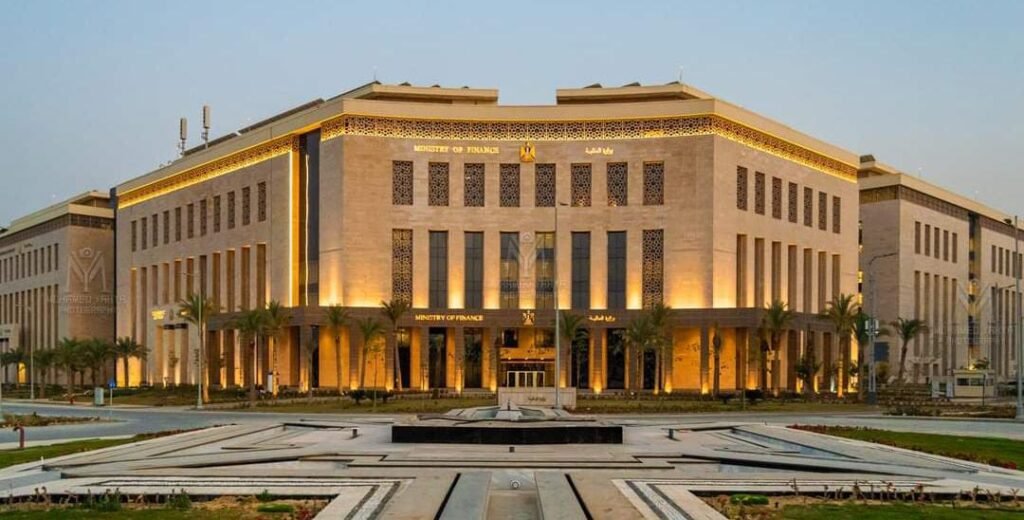
Dubai – Business News Report|| The Egyptian Ministry of Finance has officially confirmed that the national economy has once again proven its resilience and capacity to absorb external shocks amidst ongoing regional disturbances. This statement was issued following the stabilization of Egypt’s credit rating by Fitch Ratings at ‘B’ with a stable outlook, highlighting the effectiveness of consistent proactive policies implemented by the government.
The ministry’s official statement detailed that these coordinated measures have contributed significantly to achieving positive economic outcomes during the fiscal year 2025/2026. Specifically, the gross domestic product growth rate reached 5.1%, a figure supported by substantial increases in the manufacturing, telecommunications, and information technology sectors, demonstrating broad-based expansion across key industrial pillars.
Fiscal Discipline and Revenue Growth
Furthermore, the budgetary data revealed that the primary surplus accounted for 4.9% of the gross domestic product. Meanwhile, the total budget deficit decreased to 5.8% in the same fiscal period. Tax revenues experienced a significant rise of 27%, achieved without imposing new burdens on taxpayers, coinciding with the implementation of various tax facilitation packages designed to stimulate compliance and investment.
Private Sector Empowerment Strategy
The Ministry emphasized its continued commitment to executing balanced fiscal policies aimed at driving economic activity while maintaining strict financial discipline and stability. Officials stated that greater efforts would be made in collaboration with government partners and the private sector to foster production-driven and export-oriented growth. The ministry noted that the private sector has demonstrated remarkable growth potential, with investments increasing by approximately 65%.
Debt Management and Future Outlook
Despite these successes, the ministry acknowledged that high debt service rates remain the most significant challenge, particularly given rising interest rates. However, it projected that a subsequent decline in these rates would lead to a sharp reduction in debt servicing costs. A medium-term debt management strategy is currently being pursued to extend maturity dates, diversify instruments, and broaden the investor base to mitigate refinancing risks.
The ministry concluded that sustaining large primary surpluses will help place the debt-to-GDP ratio and its servicing burden on a sustainable downward trajectory, ensuring long-term macroeconomic stability and reinforcing investor confidence in Egypt’s fiscal framework moving forward.
This story was produced in the newsroom from the disclosed sources named above.