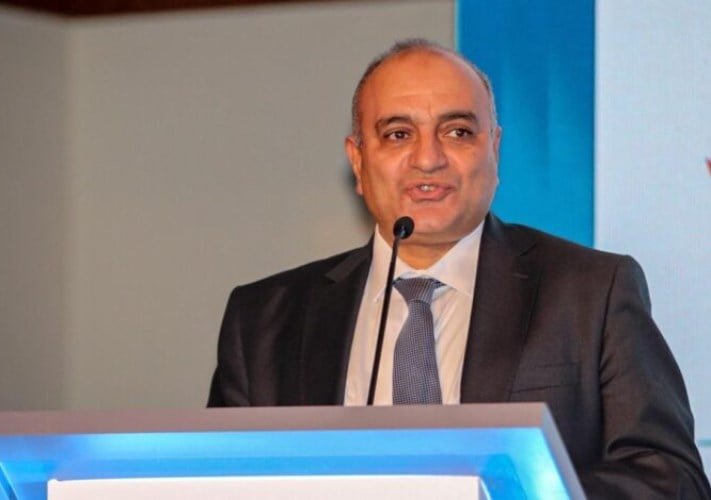
Dubai – Business News Report|| Egypt’s Ministry of Finance has announced that the national economy is projected to achieve a growth rate of 5.1 percent during the fiscal year 2025/2026. Deputy Finance Minister Yasser Sobhy revealed these figures while addressing participants at the Sharm El-Sheikh Insurance and Reinsurance Forum, emphasizing the structural resilience of the Egyptian market.
Private Sector Drives Growth and Investment
Sobhy stated that the Egyptian economy has become significantly more robust, capable of handling both internal and external challenges compared to previous periods. He attributed this stability to comprehensive financial, economic, and structural reforms, as well as restored confidence with the private sector, which now serves as the primary engine for economic expansion across the nation.
Fiscal Surplus and Debt Reduction Targets
The official noted that the country achieved a primary surplus equivalent to 4.9 percent of gross domestic product in the 2025/2026 fiscal year, an increase from 3.5 percent the previous year. The government aims to reach a 5 percent surplus in the current fiscal period, reflecting continued efforts to enforce fiscal discipline and enhance the efficiency of state resource management.
Inflation Decline and Employment Improvements
Inflation rates have dropped substantially from averages between 35 percent and 37 percent to 13.3 percent during the 2025/2026 fiscal year, remaining low in the first quarter of the current year. Simultaneously, unemployment fell to 6.8 percent, marking the lowest recorded level despite annual increases in labor force entrants, indicating improved job creation capabilities.
Tax Revenue and Public Debt Trajectory
Tax revenues grew by 35 percent two years ago, 27 percent last year, and approximately 20 percent currently. These gains helped reduce general government debt from nearly 96 percent of GDP to below 82 percent over three years. The government targets reducing debt to 78 percent this fiscal year and reaching 70 percent or less by 2029/2030.
Strategic Spending on Health and Education
Current budget allocations include a 30 percent increase for health and a 20 percent rise for education, outpacing the overall 13 percent expenditure growth. This prioritization underscores the state’s commitment to enhancing services in key sectors. Sobhy highlighted the nearing completion of the current economic reform program with international institutions.
Future Economic Priorities and Service Exports
The upcoming program will focus on boosting productivity, expanding service exports, supporting the middle class, and integrating Egypt into global supply chains. The minister emphasized opportunities for Egypt to become a regional hub for exporting services in information technology, logistics, and tourism, leveraging its youthful demographic and developed infrastructure.
Insurance Sector Role in Economic Stability
Regarding the Sharm El-Sheikh Rally theme, Sobhy noted that supply chain resilience highlights insurance as a vital partner in maintaining economic stability. He stressed the sector’s role in mitigating risks and protecting productive activities, thereby strengthening the economy’s capacity to withstand shocks and navigate complex global challenges effectively.
This story was produced in the newsroom from the disclosed sources named above.