
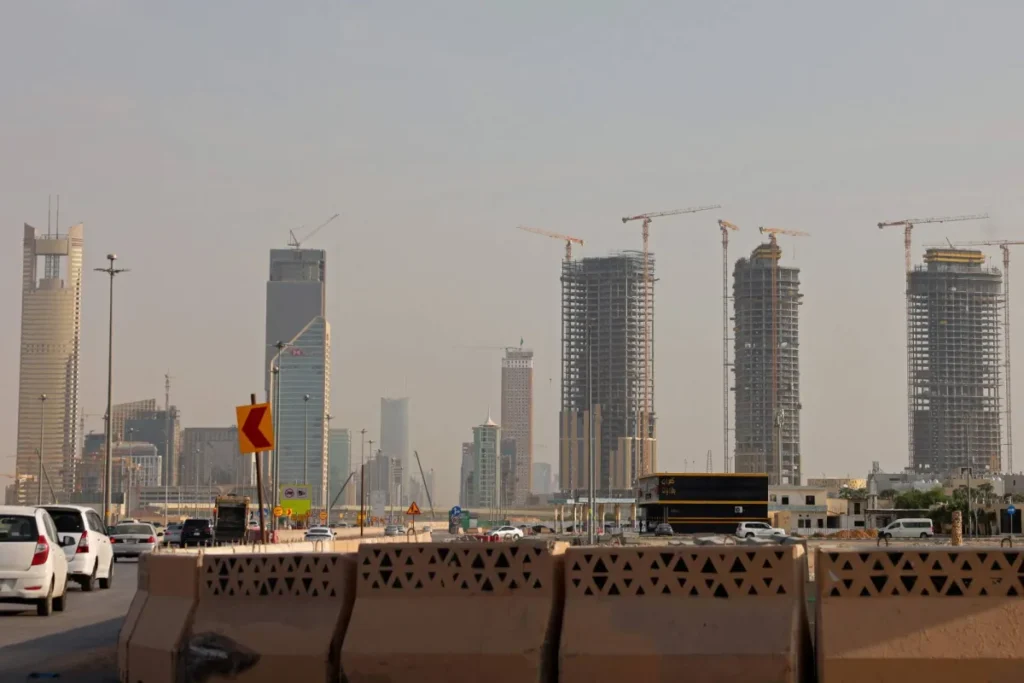
Dubai – The Kingdom of Saudi Arabia recorded a slowdown in its annual inflation rate during October, reaching 1.7 percent compared to 1.9 percent in the previous month. This decline signals continued containment of consumer price pressures across the domestic market. The data comes as global economic risks intensify due to geopolitical tensions and supply chain disruptions. Official figures from the General Authority for Statistics showed a monthly rise of 0.1 percent in the consumer price index. The annual deceleration was primarily supported by relatively modest increases in several major consumption groups. Housing costs remained the dominant factor influencing overall prices during this period. Analysts note that this trend occurs amidst growing uncertainty regarding global price trajectories. Geopolitical conflicts continue to pose significant threats to trade flows and shipping costs. These factors also contribute to volatility in energy markets worldwide. The Saudi reading holds particular importance as an indicator of how external developments affect local living expenses. Detailed breakdowns reveal that housing, water, electricity, gas, and other fuels rose by 3.5 percent annually. This increase matched the growth rate observed in actual residential rents. Insurance and financial services also saw a 3.5 percent annual jump. This was largely propelled by a 6.5 percent surge in insurance service prices. Entertainment, sports, and culture prices increased by 2.7 percent. This rise was driven by a 4.6 percent increase in holiday offer prices. Transport costs climbed by 2.3 percent annually, fueled by a 9.5 percent hike in passenger transport services. Restaurant and accommodation services rose by 1.8 percent, while education services increased by 1.3 percent. Food and beverage prices, a heavy weight in the basket, went up by 1.1 percent. Information and communications prices rose by just 0.5 percent. Conversely, furniture and home maintenance prices fell by 0.5 percent. Clothing and footwear prices decreased by 0.2 percent. Personal care and protection goods dropped by 0.6 percent. On a monthly basis, the general index rose by 0.1 percent. Housing utilities increased by 0.2 percent, driven by a 0.4 percent rise in actual rents. Food and beverages rose by 0.2 percent, and financial services jumped by 1.5 percent. The International Monetary Fund forecasts average inflation at 1.9 percent this year. This compares to 2 percent in 2025 before rising to 2.2 percent in 2027. The current October reading of 1.7 percent remains below the IMF’s full-year average projection.
This story was produced in the newsroom from the disclosed sources named above.