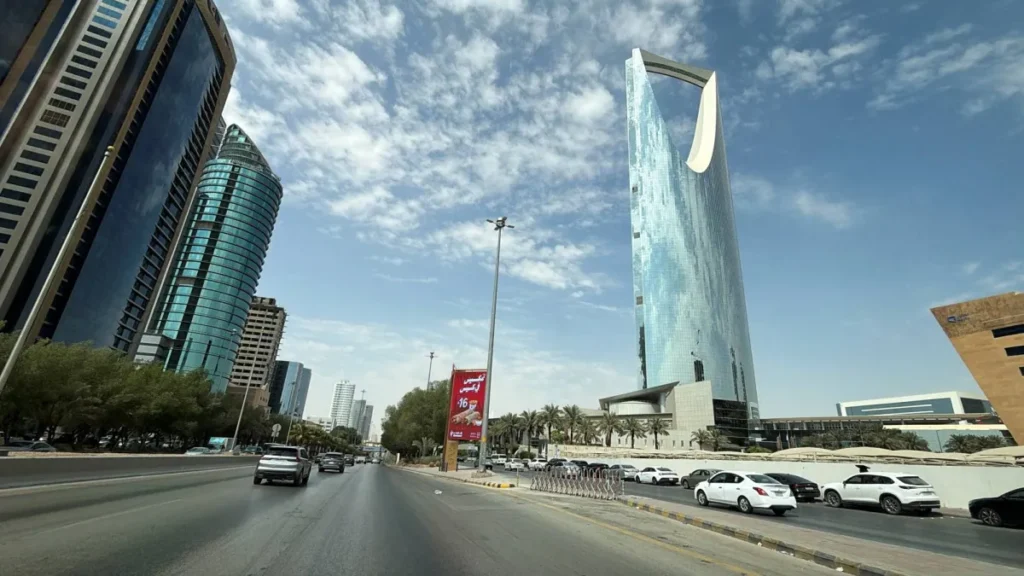
Dubai – The International Monetary Fund projects that the Saudi Arabian economy will record strong growth of 7.9 percent during 2027. This forecast reflects an anticipated recovery in energy production and exports alongside a gradual restoration of regional trade flows. The assessment assumes a basic scenario where disruptions linked to the war subside and the Strait of Hormuz reopens. These projections highlight the Saudi economy’s capacity to regain momentum after facing pressures from energy production and transport disturbances earlier this year. The kingdom is leveraging diversified oil export routes and infrastructure designed to redirect some shipments via the Red Sea, thereby bypassing the Strait of Hormuz entirely.
Revised Global Outlook Projections
In its October World Economic Outlook report, the IMF estimated that the Saudi economy would contract by 3.3 percent during 2026 before expanding significantly the following year. Previous forecasts from April predicted growth of 3.1 percent in 2026 and 4.5 percent in 2027. This substantial shift in expectations underscores how rapidly evolving conflict dynamics and assumptions regarding economic activity have altered the trajectory. The updated figures indicate a much more optimistic view of post-crisis resilience compared to earlier assessments made before the escalation of hostilities affected shipping lanes.
Infrastructure and Export Diversification
The Saudi economy benefits significantly from possessing alternative oil export outlets, primarily the East-West pipeline. This infrastructure transports crude oil from the Eastern Province to the port of Yanbu on the Red Sea, with a capacity reaching approximately 7 million barrels per day. The kingdom aims to increase this pipeline capacity to 10 million barrels daily, enhancing the flexibility of its export system against navigation disruptions. These alternatives strengthen the kingdom’s ability to mitigate the impact of maritime instability on oil flows, supporting economic activity next year according to fund assumptions.
Gulf Region Economic Recovery
Strong expected growth is not limited to Saudi Arabia; the IMF also anticipates robust recovery rates for other Gulf economies in 2027. Qatar’s economy is projected to grow by 18.8 percent, while Kuwait is expected to expand by 17.1 percent. Bahrain is forecast to see growth of 13.9 percent, followed by the UAE at 7.7 percent. Oman is predicted to achieve growth of 2.2 percent. These projections follow severe pressures in 2026, where Kuwait’s economy was expected to shrink by 16.7 percent, Qatar by 15.6 percent, and Bahrain by 11.3 percent. The UAE was projected to contract by 3.9 percent, while Oman was expected to grow by 4.1 percent during that difficult period.
Strait of Hormuz Reopening Timeline
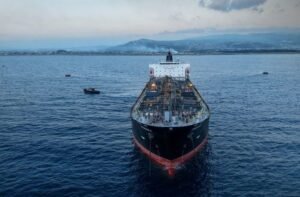
The fund’s basic scenario assumes the reopening of the Strait of Hormuz begins in March 2027, with a general return to pre-war conditions by October of that same year. Energy flows, shipping, insurance, and payments are expected to gradually normalize. The speed of this recovery remains tied to the conflict’s trajectory and navigation stability, though diversified export channels provide a buffer against shocks and support growth as regional conditions improve.
This story was produced in the newsroom from the disclosed sources named above.