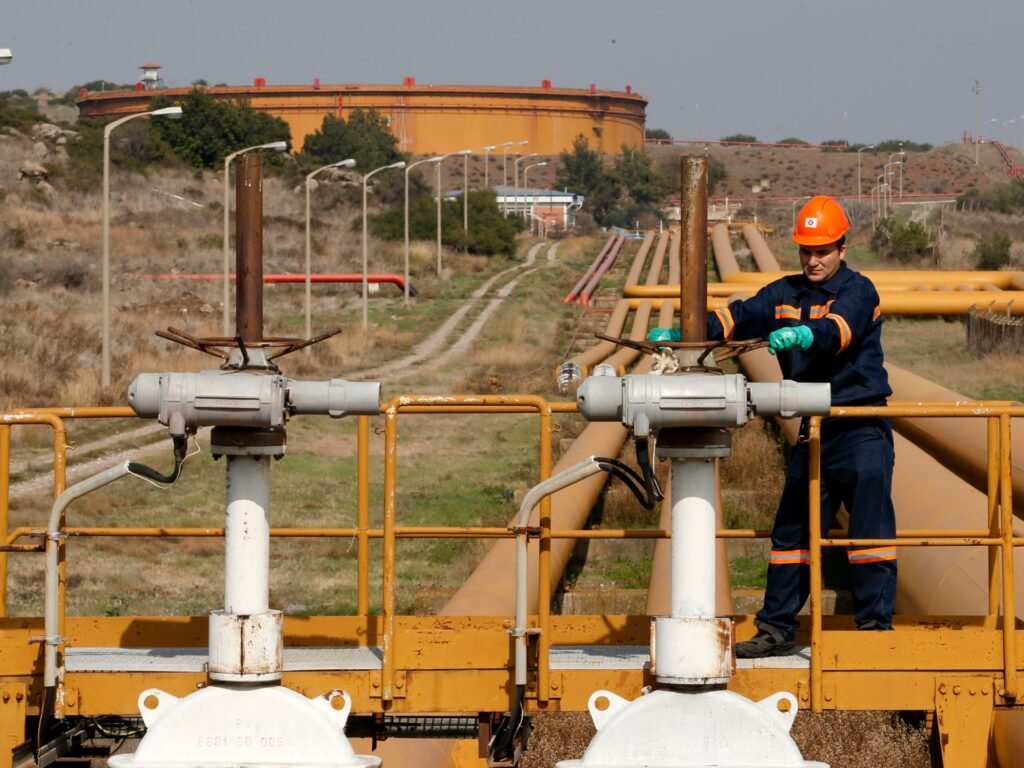
Dubai – Business News Report|| Iraq and Turkey have initiated discussions aimed at significantly increasing the volume of crude oil exports routed through the Turkish port of Ceyhan. These talks occur within the framework of ongoing negotiations between the two nations to finalize a new bilateral agreement governing oil trade flows.
The strategic move coincides with Baghdad’s broader efforts to secure alternative transportation corridors for its petroleum shipments. This diversification strategy is driven by persistent instability in maritime shipping routes through the strategically vital Strait of Hormuz, which poses risks to traditional export channels.
High-Level Diplomatic Engagement
The Iraqi Ministry of Oil confirmed on Saturday that Minister Basim Mohammed Khider Al-Abbadi held detailed consultations during his official visit to Turkey. He met with his Turkish counterpart, Energy Minister Albilgen Birkyldar, to review the status of the draft agreement concerning oil exports via Ceyhan.
According to the ministry statement, the bilateral meetings focused heavily on expanding the current export capacity limits along this specific pipeline route. Furthermore, the dialogue addressed potential opportunities for Turkish companies to participate actively in upcoming oil and gas development projects within Iraq.
Replacing Expired Frameworks
These diplomatic engagements follow the recent signing of a deal involving three key entities: the Turkish Petroleum Pipeline Corporation (BOTAŞ), the State Organization for Marketing of Oil (SOMO), and the Iraqi National Oil Company. This agreement was necessary after the previous contractual arrangement between the two countries expired on July 26.
The former minister clarified that the existing contract capped current export volumes through Ceyhan at 750 thousand barrels per day. The primary objective now is to establish a new comprehensive framework agreement based on an updated version of the historic 1973 pact.
Ambitious Expansion Targets
The proposed new agreement aims to double the export capacity through this corridor to reach 1.5 million barrels daily. This significant increase would effectively double the current ceiling, thereby enhancing Iraq’s ability to diversify its oil export ports and reduce dependency on single routes.
Selim Al-Rakabi, spokesperson for the Iraqi Ministry of Oil, previously stated that Baghdad targets raising exports via Ceyhan to 750 thousand barrels per day. This level would help compensate for declines in southern field exports currently hindered by Hormuz Strait challenges.
While the Ceyhan line possesses a technical capacity of 750 thousand barrels per day, actual shipments have remained below 170 thousand barrels daily since the crisis began, despite earlier goals targeting 250 thousand barrels.
This story was produced in the newsroom from the disclosed sources named above.