Dubai –
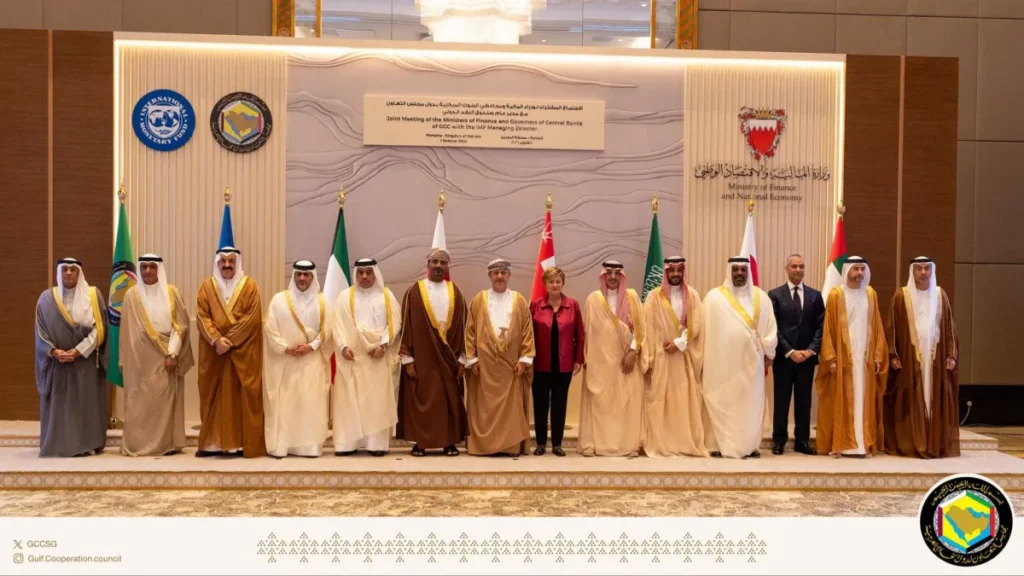
Kristalina Georgieva, Managing Director of the International Monetary Fund, commended the robustness of Gulf Cooperation Council economies. She emphasized their capacity to absorb regional war impacts through strong fiscal foundations. The resilience stems from ample financial margins and a solid banking sector. Strategic investments in energy and logistics further bolstered this stability.
Strategic Adaptation to Supply Shocks
Georgieva noted that energy supply shocks were contained within seven months. Gulf states quickly redirected vital supplies away from the Strait of Hormuz. This swift action maintained global energy flows and prevented larger economic shocks. Increased new supplies and inventory draws also aided adaptation. Reduced demand contributed significantly to this successful economic adjustment process.
Economic Outlook and Risks
The IMF director warned that war repercussions remain substantial. Near-closure of the Strait of Hormuz reduced oil and gas exports. Damage to energy facilities lowered production capacity across the region. Non-oil activities suffered from weakened trade and lower business confidence. High prices for basic goods further pressured household budgets and corporate margins.
Projections indicate a contraction in GCC economies during 2026. Sharp declines in hydrocarbon production drive this negative outlook. A strong recovery is expected in 2027 if shipping normalizes gradually. However, uncertainty remains high regarding the conflict duration and intensity. Prolonged disruptions could delay recovery and strain investor confidence significantly.
Policy Recommendations and Structural Reforms
Georgieva urged continued reforms to boost productivity and future shock absorption. Fiscal policies should mitigate demand shocks in non-oil sectors temporarily. Aid must be targeted, transparent, and have clear expiration dates. Broad stimulus risks exacerbating inflation if supply issues persist. Authorities should rebuild reserves and direct funds toward diversification investments.
Financial reserves cannot replace physical capacity to handle trade shocks. Enhanced storage and inventory provide low-cost protection against short disruptions. Longer disturbances require safe infrastructure to redirect trade flows effectively. Completing the GCC railway and Saudi land bridge could greatly reduce losses.
Digital Assets and Regional Integration
The IMF highlighted growing digital asset activity in the region. On-chain activity rose from six billion dollars in 2020 to ninety-two billion in 2024. This growth offers payment efficiency and capital market innovation benefits. It also demands strong legal frameworks and regulatory oversight mechanisms.
Jassim Mohamed Al-Budaiwi, Secretary-General of the GCC, stressed the need for deeper economic integration. He called for enhanced supply chains and flexible trade corridors. Structural reforms should strengthen the private sector and digital transformation. Maintaining flexibility in policies is crucial for navigating complex geopolitical environments.
This story was produced in the newsroom from the disclosed sources named above.