دبي – Algeria is exploring a landmark liquefied natural gas deal with Bangladesh, signaling a potential pivot in export strategy. The discussions aim to diversify destinations beyond traditional European markets.
High-Level Talks Initiate Strategic Energy Partnership
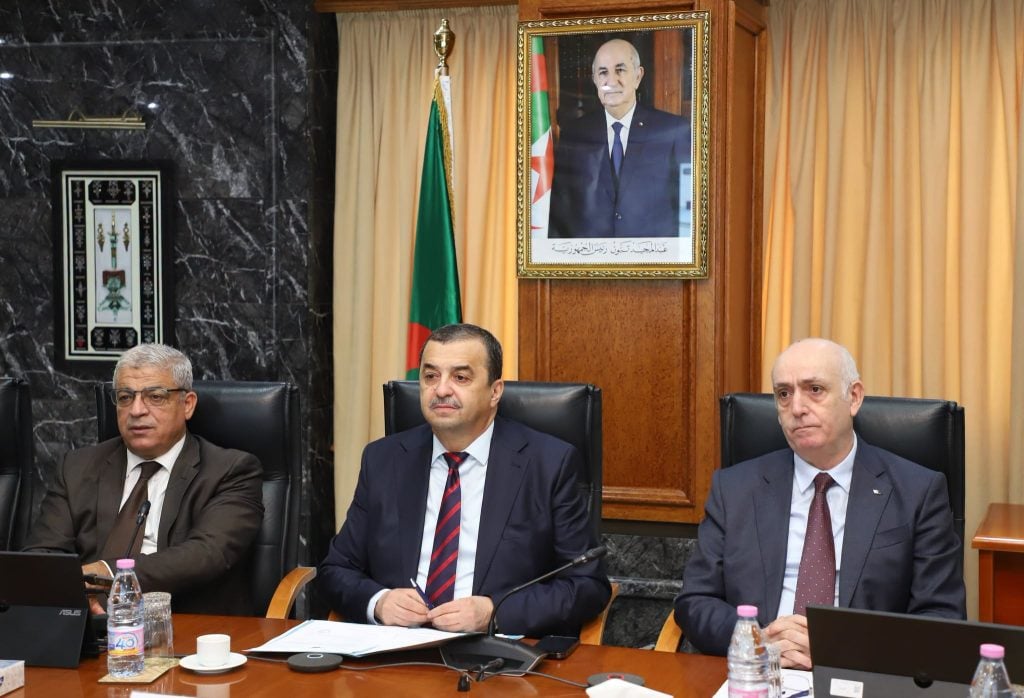
The negotiations occurred during a video conference between Algerian Minister of Energy Mohamed Arkab and Bangladeshi counterpart Iqbal Hassan Mahmud. The meeting focused on expanding bilateral cooperation within the energy sector to ensure stable fuel supplies.
Dhaka expressed strong interest in securing long-term contracts for Algerian LNG. This move comes as Bangladesh seeks to reduce reliance on the Strait of Hormuz due to ongoing geopolitical tensions affecting Qatari shipments. Diversification is now critical for national energy security.
Sonatrach Explores New Markets Amid European Focus
Noureddine Daoudi, CEO of Sonatrach, participated in the talks alongside senior executives from Petrobangla and the Bangladesh Petroleum Corporation. They discussed infrastructure development and partnership opportunities to meet rising domestic demand in South Asia.
Historically, Algerian LNG exports have been heavily concentrated in Europe. Data indicates that nearly all shipments in the first half of 2026 went to European buyers. Turkey led imports at 1.55 million tons, followed by France and Italy.
Total LNG exports dropped 6.5% year-on-year to 4.47 million tons. Only 0.44 million tons reached other global markets. A successful deal with Bangladesh would represent a rare long-term contract with an Asian nation, opening new commercial avenues.
Bangladesh Increases LNG Dependency Amid Supply Risks
Bangladesh’s reliance on imported gas is growing rapidly. LNG accounted for 33% of total domestic demand in 2025. Projections suggest this share could rise to 60% by 2030 as local production struggles to keep pace with consumption.
Recent purchases reflect urgent needs. Dhaka bought some of the most expensive spot cargoes since the Iran conflict began. This highlights severe pressure to secure alternative sources away from volatile shipping lanes.
Past interactions with Algeria were limited to sporadic spot shipments. Records show minimal volumes delivered between 2019 and 2024. The last shipment arrived in September 2024, totaling just 79,000 tons. No long-term agreements existed previously.
Joint Working Group to Finalize Agreements
Both ministers reaffirmed their commitment to concrete actions. They agreed to establish a joint working group to oversee various files related to economic cooperation. This body will facilitate the signing of tangible agreements moving forward.
The potential deal aligns with broader trends in global energy trade. As European demand stabilizes, African producers are increasingly looking toward Asian markets. This shift offers Algeria a chance to mitigate volume declines in its primary market.
For Bangladesh, securing reliable Algerian supplies provides a hedge against future disruptions. The country aims to import 328 billion cubic feet of LNG in 2025 alone. Costs reached approximately 3.8 billion dollars. Stable pricing and volume guarantees are essential for long-term planning.
This story was produced in the newsroom from the disclosed sources named above.