Dubai – Business News Report|| Oil prices advanced by more than one percent during Wednesday’s trading session on September 9, 2026, marking a fourth consecutive day of gains driven by intensifying geopolitical tensions across the region. Renewed attacks throughout the Middle East have heightened concerns regarding potential disruptions to oil supplies and the continued halt of navigation traffic in the Strait of Hormuz.
Escalating Regional Conflicts
The intensity of the war in the Middle East surged on Tuesday, marked by coordinated actions from multiple state and non-state actors. Houthi forces, backed by Iran, launched attacks on several Saudi cities, while US military forces conducted airstrikes against numerous Iranian oil tankers. In response, Tehran targeted a US base in Jordan, further complicating the security landscape and raising stakes for global energy markets.
Market Performance and Price Levels
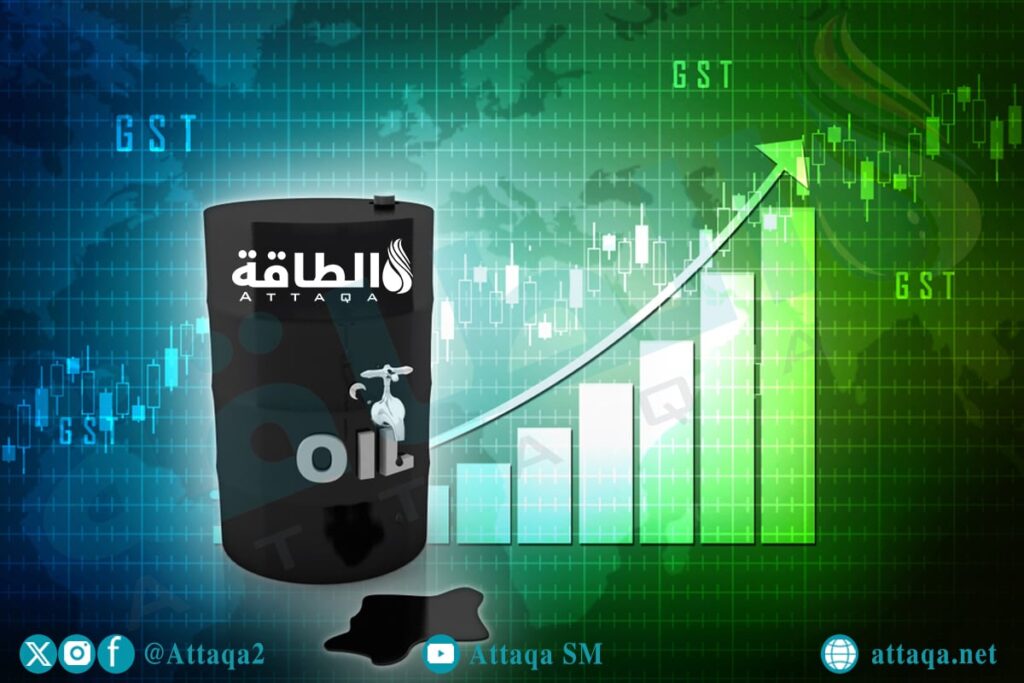
By 05:45 GMT (08:45 Mecca time), standard Brent crude futures for November 2026 delivery had risen by 1.06 percent, reaching $98.96 per barrel. Simultaneously, US West Texas Intermediate crude futures for October 2026 delivery increased by 0.92 percent, settling at $93.89 per barrel, according to real-time figures tracked by Washington-based Energy Platform.
Analyst Perspectives on Supply Risks
Both benchmark crudes rose significantly in the previous session, with Brent gaining 0.95 percent and WTI climbing 1.69 percent, following Iran’s threat to retaliate against any new US attacks on its assets. This escalation has intensified fears of prolonged supply interruptions. Analysts at ING Bank noted that recent developments confirm the market remains far from resuming peace talks, suggesting that investors will continue to price in substantial risk premiums due to the volatile environment.
Impact on Shipping Routes
Recent attacks threaten to deepen disruptions in Middle Eastern oil supplies, which are already under pressure from strikes on regional energy infrastructure and key shipping lanes. Although Saudi Arabia has diverted some exports away from the Strait of Hormuz, analysts warn that continued attacks on the kingdom could complicate efforts to maintain steady crude flows to global markets.
Long-term Outlook
Brent crude has risen by a quarter since early August as hopes for a permanent resolution to the six-month conflict faded. With fighting renewing, prices are quickly approaching the critical $100 per barrel threshold. OCBC Bank analysts highlighted that Houthi strikes on Saudi energy facilities and the destruction of five Iranian oil tankers have sparked fears of another prolonged interruption in oil supplies, reinforcing the view that stability remains elusive in the near term.
This story was produced in the newsroom from the disclosed sources named above.