Saudi Arabia and the Gulf states are entering a new phase of infrastructure financing, one built on mobilizing long-term private and institutional capital through partnerships that bring together governments, development banks, sovereign investors and private firms as demand grows in power, water and digital services.
Saud bin Abdullah Al-Sayari, senior investment officer for the Middle East and North Africa at the Asian Infrastructure Investment Bank, said the region’s fundamentals are strong, and that population growth and economic transformation programs are creating opportunities in renewable energy, digital infrastructure, water and health care. The constraint, he said, is not the size of the opportunity but how risk is structured and capital mobilized.
Why Budgets Alone No Longer Work
The shift rests on a changed financing equation. Government money on its own is no longer sufficient, while pension funds, insurers and asset managers hold long-dated capital that matches assets producing stable, predictable and often inflation-linked cash flows. Despite that natural fit, only a limited share of institutional portfolios is allocated to infrastructure, pushing the region toward structures that share risk and strengthen creditworthiness.
What Development Banks Add
Multilateral development institutions, Al-Sayari said, turn government infrastructure plans into bankable projects through disciplined preparation, blended finance and credit enhancement, absorbing risks commercial lenders cannot carry. He pointed to a recent financing with the Saudi Water Authority, structured alongside the National Infrastructure Fund and commercial lenders to modernize major desalination plants.
Risk cannot be eliminated, only allocated, he added; problems arise when investors are asked to price risks they cannot assess. The bank addresses that through non-sovereign lending, guarantees and first-loss structures, and its participation lowers perceived risk enough to draw in private capital well beyond its own commitment.
Four Conditions for Institutional Money
For Gulf infrastructure to become a core asset class for institutional investors, Al-Sayari set out four conditions: stable legal and regulatory frameworks; clear public-private partnership regimes with standardized tender documentation; credit enhancement tools; and a credible record on environmental, social and governance standards. Global investors bound by net-zero commitments, he noted, are looking for assets aligned with the Paris accord.
Regional funds are among the most effective instruments in that shift, he said, because a direct loan finances a single project while a well-structured platform finances a portfolio and spreads risk. The bank’s Gulf fund commitments include Raqiza and Aberdeen Standard Investcorp Infrastructure Partners, backed by Saudi Arabia’s Public Investment Fund and the Oman Investment Authority.
The Next Decade
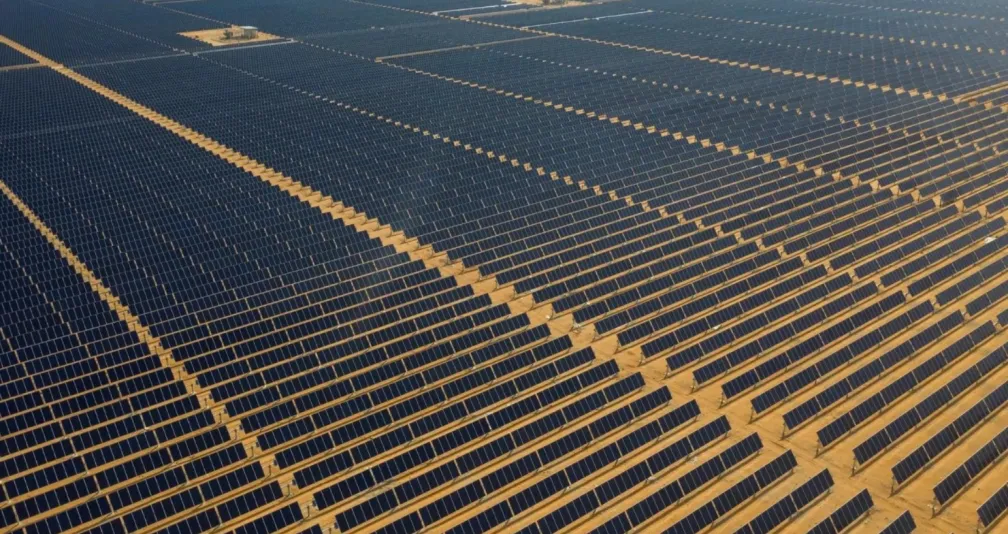
Projects financed in the region include the 500-megawatt Ibri 2 solar plant in Oman. Al-Sayari said governments are not only building new assets but upgrading existing ones, citing the conversion of Saudi desalination plants from thermal technology to reverse osmosis, which cuts energy use and emissions while raising output.
Over the coming decade he expects Saudi Arabia and the Gulf to stand out in renewables, storage systems, green hydrogen, technology-enabled infrastructure and climate-resilient water systems, with water security remaining a strategic priority. His remarks came as the bank held its eleventh annual meeting in Doha, entering its second decade.
This story was produced in the newsroom from the disclosed sources named above.