The Saudi Arabian real estate market is entering a transformative phase characterized by increased openness to international capital. This development is primarily driven by newly implemented regulations governing property ownership by non-Saudis and the specific geographical zones designated for such investments. These measures are part of broader efforts by the Kingdom to solidify its position as a global hub for real estate investment, responding to growing interest from international investors and investment funds.
Strategic Engagement at the Luxury Real Estate Exhibition
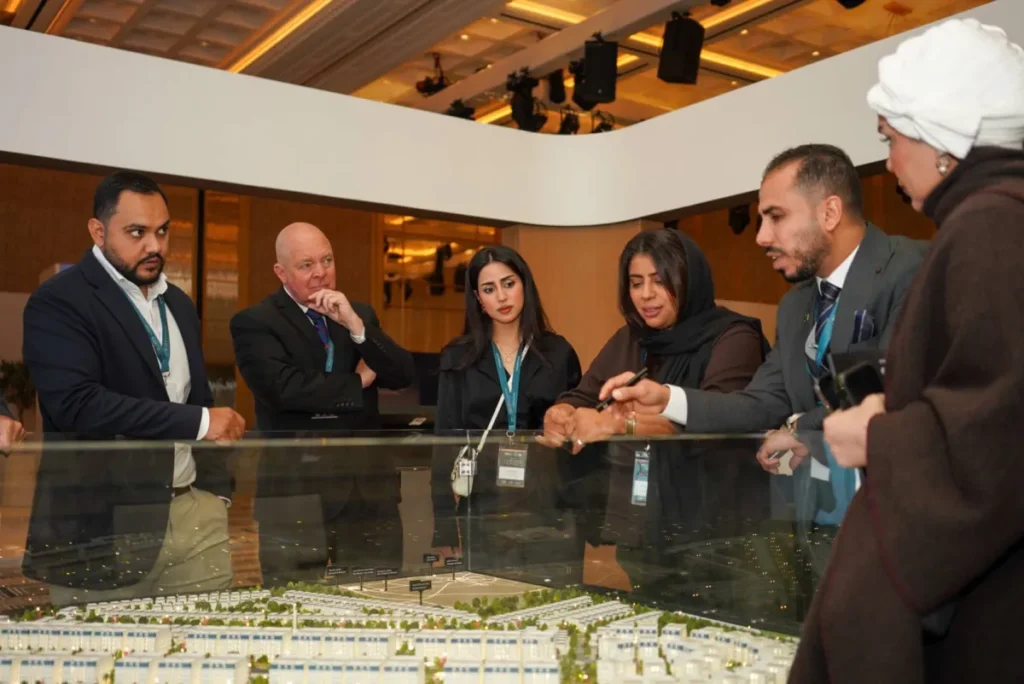
To attract these investors, government entities and several Saudi development companies are participating in the inaugural “Saudi Luxury Real Estate Exhibition.” This event is organized in strategic partnership with the General Authority of Property (GAP). The exhibition features participation from major Saudi developers alongside international investors, family offices, and sector specialists from the United Kingdom and other global markets.
Taysir Al-Mufarrij, the official spokesperson for GAP, stated that the authority’s participation aims to raise awareness regarding the new real estate system, particularly the recently approved law on non-Saudi property ownership and the defined geographical scopes for such transactions. He emphasized that their presence extends beyond mere information dissemination; it involves direct engagement with investors to answer inquiries and clarify the procedural pathways for buyers, investors, and real estate intermediaries seeking to finalize transactions under the new framework.
Digital Platforms and Direct Dialogue
Al-Mufarrij highlighted “Saqat Saudi” as the primary channel for transactions related to this system. Through its exhibition activities, the authority is educating investors on the “customer journey” and platform mechanics to provide clarity for those looking to enter the Saudi market. Beyond its pavilion, GAP organized a series of workshops, sessions, and roundtables directly targeting investors. These were conducted in collaboration with various government bodies and private sector institutions within the Kingdom.
A notable initiative was a roundtable specifically dedicated to international investment funds, held in partnership with the Saudi-British Business Council. This event signals a strong intent to attract institutional capital while expanding the target base of the new regulations. According to Al-Mufarrij, these dialogues facilitated direct discussions regarding ownership mechanisms, available opportunities, and market characteristics, occurring against a backdrop of regulatory transformations aimed at enhancing transparency and market attractiveness.
Geographical Interest and Economic Impact
Data from the exhibition indicates high levels of interest in the non-Saudi ownership system among visitors and potential buyers. This interest is not limited to Riyadh and Jeddah but extends significantly to Makkah and Madinah, which hold special appeal due to their religious significance and specific demand dynamics. Al-Mufarrij noted a substantial increase in awareness among investors and researchers, with inquiries covering major cities including Riyadh, Jeddah, Makkah, and Madinah.
This strategic push aligns with Saudi Arabia’s goal to expand the real estate sector’s contribution to the economy and diversify investment channels. The move coincides with major projects, urban expansion, and population growth across Saudi cities. Describing the exhibition’s attendance as high, with significant presence from investors, media, and influencers, Al-Mufarrij viewed this as evidence of a shifting perception of the Saudi market abroad. He asserted that the event demonstrated the Kingdom has become a global destination for real estate investment, reflecting strong desire from both investors and those seeking residential properties.
The current international attention arrives as the Saudi market undergoes wide-ranging restructuring of its regulatory and investment frameworks. The focus has shifted from merely offering opportunities to building a transparent environment that guides investors through available zones and procedural platforms. Al-Mufarrij described the timing of the exhibition as highly appropriate, serving as a crucial platform for raising awareness during this transition. This growing international engagement reflects a broader transformation where the Saudi real estate sector is no longer reliant solely on local demand but is actively positioning itself as a key channel for attracting international investment, leveraging regulatory reforms and Vision 2030 objectives.
This story was produced in the newsroom from the disclosed sources named above.