Dubai – Saudi Aramco and Algeria’s Sonatrach raised official selling prices for liquefied petroleum gas for October, reflecting broader market trends. The adjustments follow a period of increased crude oil prices and growing global fuel demand. These moves signal shifting dynamics in the international energy sector as major exporters adjust their pricing strategies.
Aramco Adjusts Propane and Butane Rates
Saudi Aramco increased its selling prices compared to September levels. Propane rose by fifty-five dollars per ton to reach six hundred eighty dollars. This marks an increase of approximately eight point eight percent from the previous month. Butane saw a larger jump of seventy dollars per ton, settling at seven hundred thirty dollars. This represents a ten point six percent rise. The total adjustment range falls between nine and eleven percent across both products.
Algeria Implements Steeper Increases
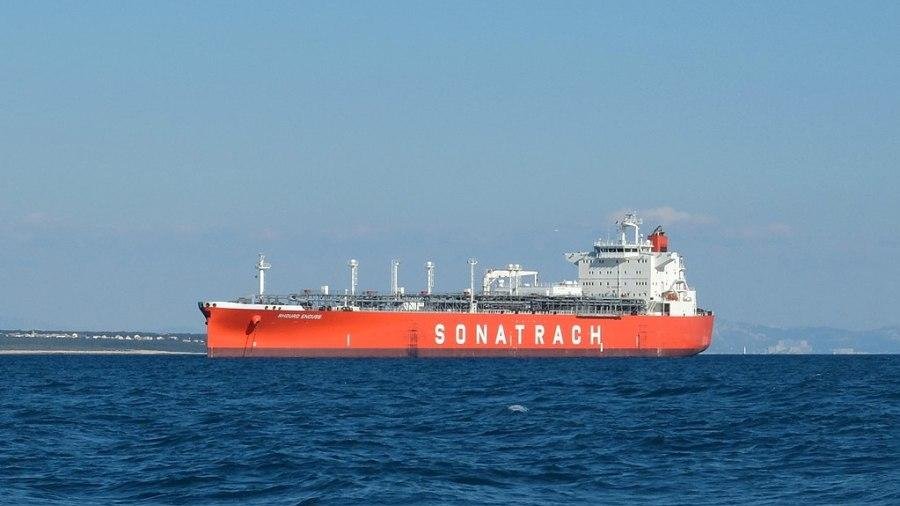
Sonatrach implemented significantly higher increases during the same period. Propane prices jumped by one hundred ten dollars per ton, reaching six hundred seventy dollars. This reflects an increase of nearly twenty percent. Butane prices surged by one hundred forty dollars per ton to seven hundred fifty dollars. This constitutes a twenty-three percent hike. The Algerian adjustments exceed those of their Saudi counterpart, highlighting divergent pricing approaches among top producers.
Market Significance and Production Context
LPG prices serve as critical benchmarks for global trade. Aramco’s rates guide contracts supplying Asia and the Pacific, while Sonatrach’s prices influence Mediterranean and Black Sea markets, including Turkey. Both nations hold substantial production capacities. Algeria led Arab OPEC members in LPG output in 2024, producing roughly two hundred ninety-three thousand eight hundred barrels daily. Despite a slight dip from 2023 figures, it maintained regional dominance. Saudi production also grew, rising to thirty-one thousand eight hundred barrels daily in 2024, up from twenty-four thousand eight hundred barrels the prior year.
This story was produced in the newsroom from the disclosed sources named above.