
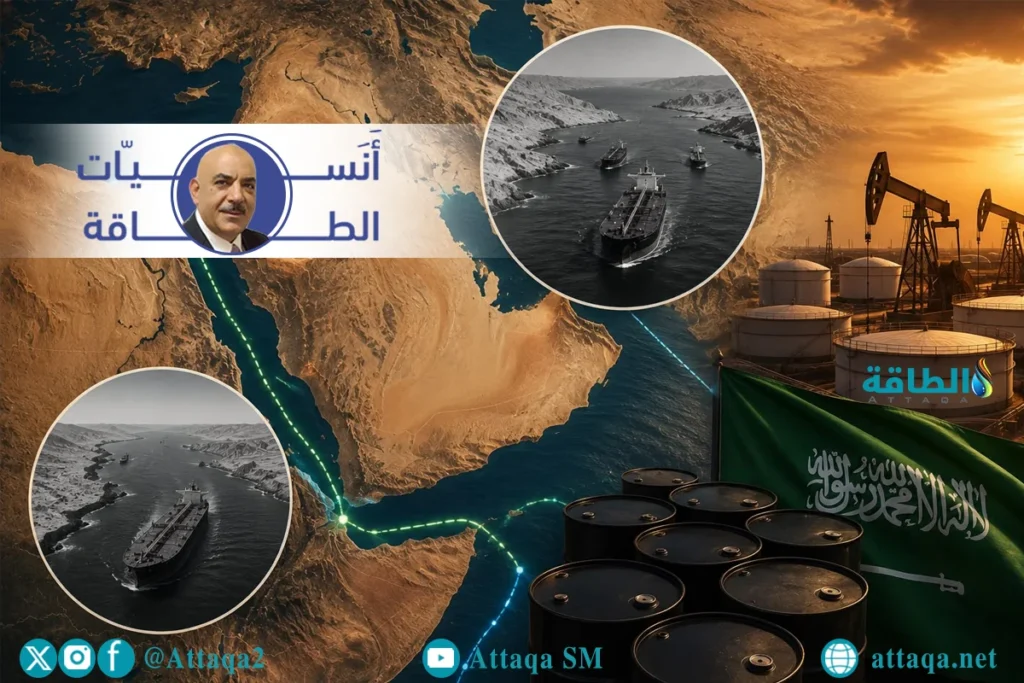
Dubai – Brent crude oil prices defied expectations by remaining above the $100 per barrel threshold throughout September, despite a significant surge in Saudi Arabia’s oil exports through the Strait of Hormuz. This resilience occurred alongside increased shipments from other Gulf states and Iraq, challenging the assumption that higher regional output would automatically trigger a sharp price drop. The market continued to reflect persistent supply risks rather than reacting solely to volume increases.
Supply Offsets and Market Dynamics
Anas Al-Hajji, an energy economics expert and editorial advisor at Washington-based Platform Energy, explained that while Saudi exports approached pre-crisis levels, they did not create a net surplus. He noted that Middle East crude exports reached approximately 16.328 million barrels per day in September, yet remained roughly 3.2 million barrels per day below February levels. This gap highlights that regional growth has not fully compensated for global shortages.
Data from Kpler indicates Saudi crude exports rose to about 5.4 million barrels per day in September, up from 2.446 million barrels per day in August. However, Al-Hajji emphasized that this increase was largely absorbed by declining Russian supplies. The loss of Russian crude and refined products effectively neutralized the additional Gulf volumes, preventing them from acting as new excess supply in the global market.
Russian Supply Constraints
The International Energy Agency reported that Russian oil product and LNG exports remain significantly below February levels. Attacks on Russian refineries and ports have severely disrupted the country’s ability to diversify sales channels away from China and India. Consequently, the reduction in Russian flows meant that Gulf production increases merely replaced missing quantities rather than adding to global stocks.
Al-Hajji pointed out that Black Sea Russian exports fell by approximately one million barrels per day due to Ukrainian strikes. This dynamic created a substitution effect where Gulf shipments filled the void left by Russia. The market thus remained tight, with prices supported by the continuous need to replace lost Russian volumes amidst ongoing geopolitical tensions.
Logistical Bottlenecks and Inventory Levels
Furthermore, not all exported oil immediately reaches Asian consumers. Al-Hajji noted that tanker flows through the Strait of Hormuz stood at roughly 9.719 million barrels per day in early estimates. Prices require confirmation that these shipments actually arrive at refineries and storage facilities. Additionally, global diesel and fuel oil inventories remain low, with Gulf product exports in August reaching only a quarter of pre-war levels. Sustained price declines will depend on stable trade routes, verified deliveries, and reduced geopolitical risks.
This story was produced in the newsroom from the disclosed sources named above.