Global oil prices advanced more than one percent during Monday trading sessions on September 7, 2026, extending gains from the previous week amid persistent geopolitical tensions in the Middle East. Brent crude for November delivery climbed to $97.31 per barrel, while West Texas Intermediate for October reached $92.49 per barrel.
Escalating Naval Hostilities
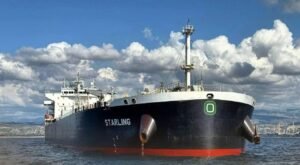
Fears of prolonged supply disruptions from the Arabian Gulf intensified following reciprocal attacks between the United States and Iran on vessels navigating the Strait of Hormuz and other strategic waters. American forces targeted three Iranian oil tankers on Saturday, including one near Kharg Island, a primary export hub.
The Iranian Revolutionary Guard Navy announced it had struck three commercial tankers traveling through unauthorized routes in the strait, alongside three additional American ships in separate locations. This escalation marks a significant shift in maritime conflict dynamics, with commercial vessels now deliberately used as tools for mutual economic pressure.
Sharp Decline in Shipping Traffic
Data from Kpler revealed that the average number of cargo ships transiting the Strait of Hormuz dropped to just ten daily over the past ten days, the lowest level since May. This sharp reduction highlights the immediate impact of military actions on global energy logistics and trade flows.
Brianca Sachdeva, head of market insights at Philip Nova, warned that noticeable slowdowns in tanker movements could trigger a much larger supply shock. She noted that existing indicators already suggest such a disruption is imminent, potentially altering market expectations significantly in the short term.
OPEC+ Maintains Production Stance
Meanwhile, OPEC+ nations led by Saudi Arabia decided to keep their oil production policy unchanged for October during a meeting held on Sunday. Analysts at ANZ Bank view the protracted confrontation, characterized by calculated military operations, as the most likely scenario, delaying the full recovery of Middle Eastern supplies.
Mohsen Rezaei, secretary of Iran’s Supreme National Security Council, announced plans to declare a restricted zone outside the Strait of Hormuz in the coming days. This move further complicates navigation security and raises concerns about long-term stability in global energy markets amidst ongoing regional conflicts.
This story was produced in the newsroom from the disclosed sources named above.