Strategic Shift in Delivery Mechanisms
QatarEnergy has successfully offloaded a minimum of 7 million barrels of its crude oil portfolio through an immediate tender process. The shipments are scheduled for loading during October 2026. This transaction highlights a significant evolution in Gulf crude trading dynamics, where the physical location of loading has become a primary determinant of price premiums. Buyers are increasingly factoring in transportation costs, insurance rates, and geopolitical risks associated with navigating the Strait of Hormuz when bidding for cargoes.
Divergent Pricing Based on Loading Zones
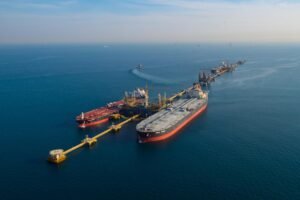
The tender results revealed stark contrasts in pricing structures depending on whether vessels loaded cargo within the strait or utilized alternative transfer points. QatarEnergy recently introduced shipments of Shahin and offshore Qatar crudes for delivery via ship-to-ship transfers outside the Strait of Hormuz. This initiative aims to provide buyers and tankers with an alternative route, bypassing the congested and risky maritime passage.
Asian refiners demonstrated varying risk appetites that directly impacted their purchase prices. PTT Public Company Limited, the Thai refining giant, acquired one million barrels each of onshore Qatar and offshore Qatar crudes. Similarly, PetroChina purchased one million barrels of Shahin crude and one million barrels of offshore Qatar crude. Together, these two entities accounted for 4 million barrels of the total volume sold.
Both PTT and PetroChina paid a premium ranging between $6 and $7 per barrel above the average Dubai Crude benchmark price on a Free On Board (FOB) basis. This premium reflects the higher costs and logistical complexities associated with loading cargoes outside the traditional Gulf ports and the Strait of Hormuz.
Reliance Industries Secures Discounted Cargoes
In contrast to the Asian buyers paying premiums, India’s Reliance Industries Ltd. secured three million barrels at a significant discount. The Indian conglomerate purchased one million barrels each of onshore Qatar, offshore Qatar, and Shahin crudes. Notably, Reliance paid approximately $15 per barrel below the average Dubai Crude price.
This substantial price differential is attributed to the loading location. Reliance’s cargoes were loaded from within the Strait of Hormuz. By accepting the standard transit route, the buyer avoided the additional expenses linked to ship-to-ship transfers and external loading zones, resulting in a much lower acquisition cost compared to competitors opting for alternative delivery methods.
Regional Industry Trends
The strategies employed by QatarEnergy mirror broader trends across the Gulf region. Saudi Aramco and Abu Dhabi National Oil Company (ADNOC) have implemented similar arrangements. ADNOC has been offering spot market sales since June, utilizing mechanisms to transfer crude to other vessels in the Gulf of Oman. Aramco has also offered cargoes for delivery outside the Strait of Hormuz.
These coordinated moves allow producers to maintain steady flows of crude to Asian markets while offering buyers flexible options based on their capacity to manage transport risks and insurance liabilities. The previous tender targeted loading in the first half of October, reinforcing the shift toward non-traditional loading points as a viable commercial strategy amidst regional shipping constraints.
This story was produced in the newsroom from the disclosed sources named above.