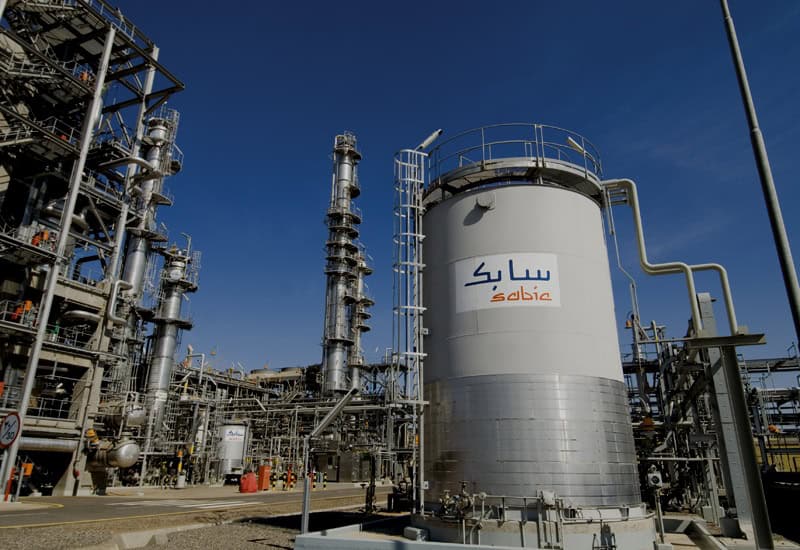
دبي – Saudi Basic Industries Corporation is advancing its industrial project in Jubail Industrial City after securing feedstock allocation approval from the Ministry of Energy.
The Saudi Methanol Company, known as Razi, obtained this crucial authorization on September 3, 2026, enabling the company to proceed with essential investment studies and procedures.
This development marks a significant step toward finalizing the construction of a new methanol production plant designed to achieve an annual capacity of 1.8 million tons within the industrial zone.
Strategic Expansion and Operational Goals
The project aligns with SABIC’s broader strategy to achieve sustainable long-term value by reinforcing a business model focused on future growth and core activities while maximizing shareholder returns.
By enhancing local petrochemical manufacturing capabilities, the initiative supports the kingdom’s industrial integration goals and strengthens the domestic supply chain for essential chemical products.
SABIC emphasized that allocating feedstock is a foundational requirement for completing feasibility assessments and preparing for the final investment decision regarding the facility’s execution timeline.
Regulatory Compliance and Future Announcements
The company stated it will disclose any material developments related to the project later, including the final investment decision, though specific capital costs or commercial operation dates remain undisclosed at this stage.
SABIC expressed gratitude to the Ministry of Energy for its support, noting that the project contributes to elevating the kingdom’s position in national industrial development and achieving Vision 2030 targets.
Portfolio Restructuring Context
This expansion follows SABIC’s recent completion of a divestment deal for specialized engineering plastics businesses in the Americas and Europe, executed on August 3, 2026, to optimize capital efficiency.
The sale to Motars SE and partners involved assets across North America, South America, Spain, and the Netherlands, serving automotive, construction, electronics, and healthcare sectors.
These strategic moves reflect a concerted effort to streamline operations and focus resources on high-growth segments within the global petrochemical landscape.
This story was produced in the newsroom from the disclosed sources named above.