Dubai – Kuwait’s imports of liquefied natural gas declined by 13.4 percent on an annual basis during the third quarter of 2026, with all cargoes sourced exclusively from Qatar. According to the latest report on Arab and global LNG market developments for the third quarter of 2026, issued by the Washington-based Energy Research Unit, Kuwait received 2.26 million tons of LNG. This figure represents a decrease from approximately 2.61 million tons recorded during the same period in 2025.
Seasonal Patterns and Historical Context
Aligning with seasonal demand patterns, Kuwait’s LNG imports surged by 38 percent quarterly compared to the 1.46 million tons imported during the second quarter of 2026. Overall, imports for the first nine months of 2026 dropped by 23 percent, reaching 4.41 million tons against 5.74 million tons in the corresponding period of the previous year. The third-quarter volume marked the lowest level for this time of year since 2022, when imports stood at 2.13 million tons based on historical data from the unit.
Operational Challenges and Supply Flexibility
Mei Majdy, a researcher at the Energy Research Unit, noted that the third quarter witnessed an annual decline in Kuwait’s imports amid reduced electricity peak demand during the summer of 2026 for the second consecutive year. Some generation units were disrupted due to Iranian military attacks. Despite these challenges, long-term contracts and geographic factors provided flexibility against LNG trade disruptions stemming from the Strait of Hormuz crisis, as Qatari shipments do not require passage through the strait.
Strategic Stock Management and Infrastructure
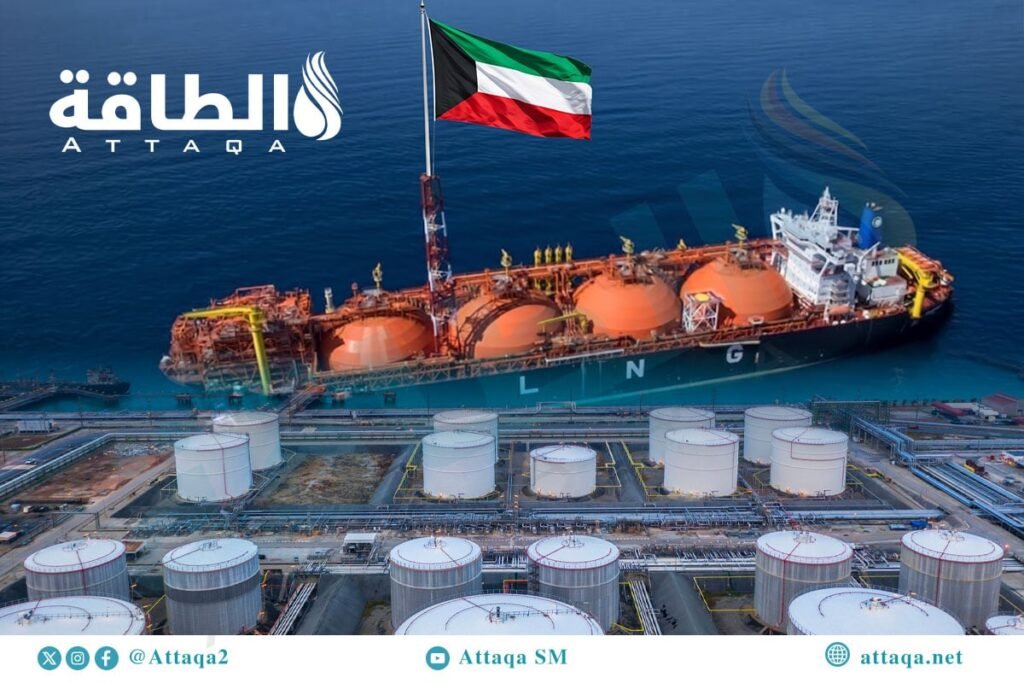
Kuwait absorbed some Qatari LNG cargoes while loading empty tankers within the Gulf, allowing Doha to manage its inventories and keep parts of the Ras Laffan complex operating at minimum levels. Data shows Qatar was the sole supplier from November 2025 through September 2026. Previously, Kuwait imported from Nigeria, Oman, and the United States alongside Qatar. Two contracts govern current supplies: one signed in 2020 for 3 million tons annually starting in 2022, and another from August 2024 for similar volumes beginning in 2025. Regasification occurs at the Zour plant, operated by KIPIC, featuring eight tanks with capacities of 225 thousand cubic meters each and a regasification facility capable of handling 22 million tons or 30 billion cubic meters annually.
This story was produced in the newsroom from the disclosed sources named above.