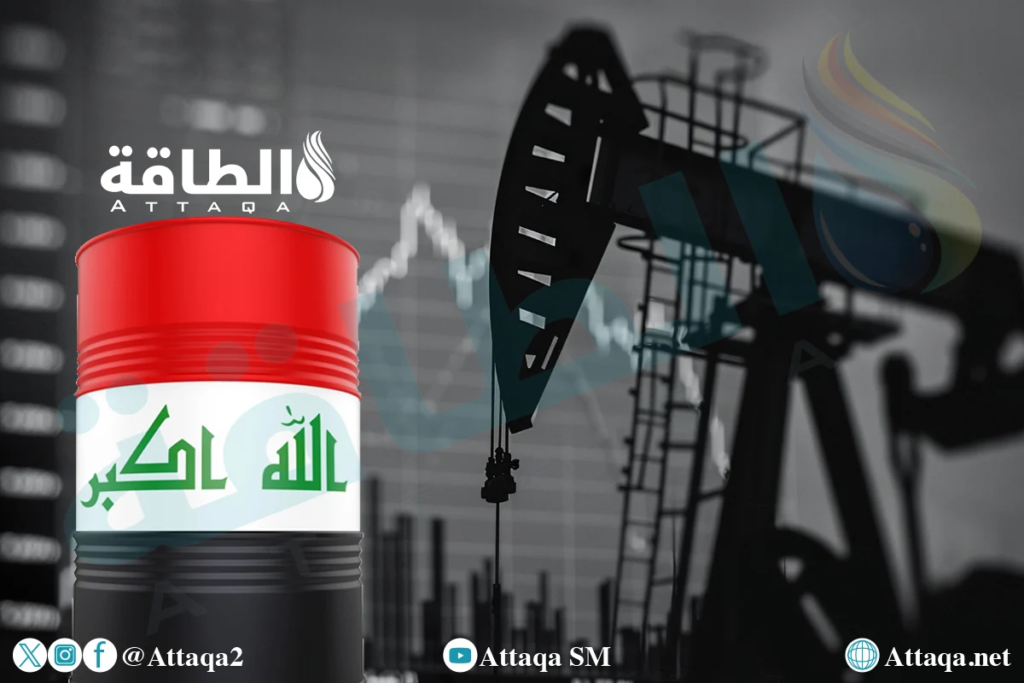
Baghdad – Iraqi crude oil shipments experienced significant fluctuations during September 2026, reflecting ongoing geopolitical pressures linked to the Iran conflict and strategic efforts by the capital to diversify export corridors. According to statements provided to specialized energy platforms, initial volumes reached three million barrels per day at the start of the month before declining gradually.
Saleem Al-Rikabi, spokesperson for the Iraqi Ministry of Oil, confirmed that current export levels have settled at approximately 2.4 million barrels daily. This figure represents a notable decrease from the beginning of the month but remains higher than the average recorded in August, which stood at roughly 2.354 million barrels per day, supported by improved navigation conditions.
August Performance and Revenue Recovery
Data indicates that despite recent declines, September exports continue to outperform the previous month’s average. The improvement is attributed to reduced shipping disruptions in the Gulf region over recent weeks. Ali Nizar Al-Shatri, Director General of the State Organization for Marketing of Oil (Sumo), highlighted that August saw record-high revenues since the onset of regional hostilities affecting global markets.
Al-Shatri noted that August shipments were distributed between the southern sea port and the Turkish Ceyhan terminal via the northern route. The easing of transport sector disturbances allowed Iranian authorities to permit certain tankers carrying Iraqi oil to pass through the Strait of Hormuz, significantly boosting export activity and financial returns during that period.
Infrastructure Projects and Strategic Diversification
The Iraqi government is actively working to secure alternative pathways and enhance the capacity of existing ports to ensure continuity. Minister of Oil announced the implementation of the Basra-Fishkhabour pipeline alongside the Haditha-Baniyas line. These projects aim to increase flexibility and reduce reliance on a single export corridor, addressing vulnerabilities exposed by the ongoing crisis.
The Fishkhabour project, previously halted due to financial reasons, will now proceed to supply refineries and boost exports via Ceyhan and Baniyas. This strategy underscores Baghdad’s commitment to modernizing infrastructure and mitigating risks associated with maritime chokepoints like the Strait of Hormuz.
Historical Context and Market Volatility
Current export levels remain below pre-February 2026 figures, highlighting persistent supply chain pressures. August totalled around 73 million barrels, a sharp rise from the combined output of May and June. Meanwhile, July saw approximately 49 million barrels shipped, with sea transport averaging 1.31 million barrels daily against 3.33 million in the same period last year.
Revenue streams also reflect this volatility, with August earnings reaching $4.5 billion compared to $2.336 billion for May and June combined. As tensions persist, Iraq continues to navigate complex logistical challenges while pursuing long-term infrastructure solutions to stabilize its vital energy sector amidst regional instability.
This story was produced in the newsroom from the disclosed sources named above.