Tehran – Iranian President Masoud Pezeshkian officially inaugurated five major energy infrastructure projects on Saturday, November 28, 2026. The initiatives, valued at $350 million, target enhanced natural gas production capabilities amid ongoing military tensions with the United States that began in late February. The projects aim to increase daily natural gas output to 32 million cubic meters while reinforcing critical national energy assets.
Strategic Infrastructure Expansion
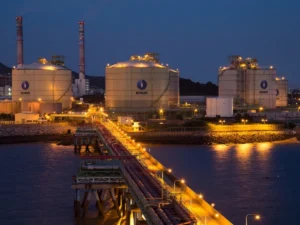
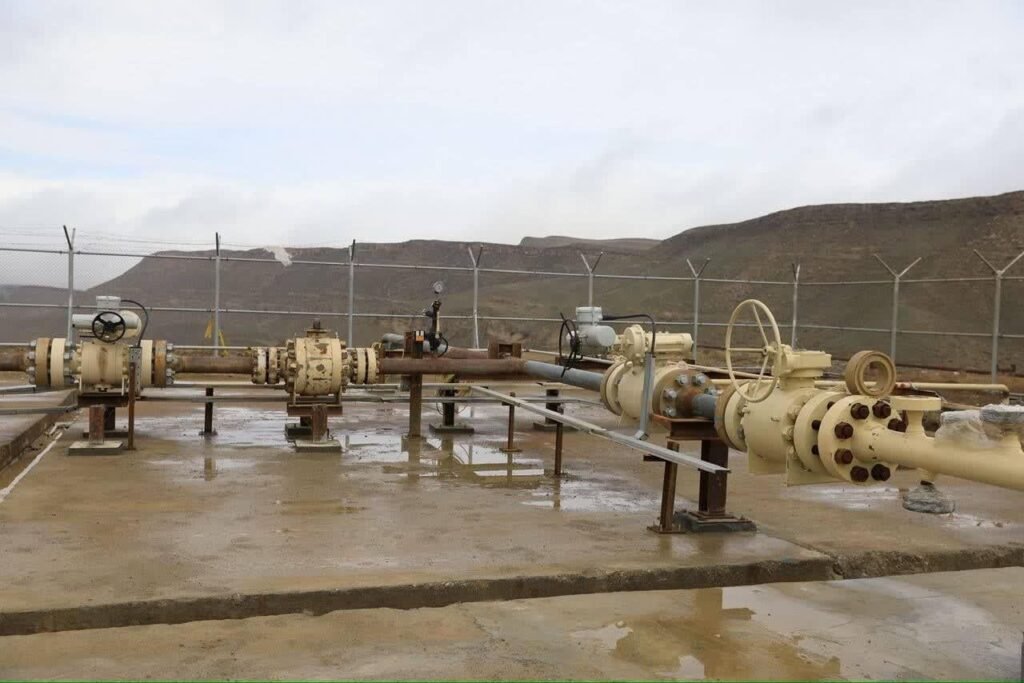
The newly launched developments include a gas pressure enhancement station at the Homa field and a gas separation center at the Tabnak field in Fars Province. Additional investments cover flare gas recovery systems at Marun 3 and Marun 5 oil and gas fields in Khuzestan Province. A 12-inch pipeline was also constructed to transport recovered gases from the Darkhovin field.
Further rehabilitation efforts focused on the fourth and sixth stages of the South Pars Gas Complex in Bushehr Province. These strategic openings align with broader government directives to modernize energy sector infrastructure and maximize resource utilization while minimizing environmental waste associated with gas flaring operations across southern regions.
Operational Resilience During Conflict
Acting Oil Minister Hamid Pourd emphasized that current plans address gas supply imbalances through three simultaneous operational axes. He stressed the necessity of mobilizing all domestic capacities to reconstruct damaged facilities and maintain steady production levels. The minister highlighted the critical role of petrochemical industries in generating essential foreign currency for the national economy.
Pourd noted that addressing presidential concerns regarding derivative oil production stability remains a primary objective. He announced that additional refinery and flare gas collection projects will be unveiled monthly until year-end. This continuous development strategy demonstrates Tehran’s commitment to sustaining energy output despite significant infrastructure challenges.
Reconstruction Needs and Future Outlook
Estimates indicate Iran requires over two billion dollars to fully rehabilitate its energy sector infrastructure, including electrical grids. Despite these substantial financial needs and direct targeting of key fields like South Pars during recent conflicts, reconstruction activities have proceeded without interruption. The government maintains that enhancing operational efficiency and reducing economic losses from gas flaring are vital components of its long-term energy security strategy.
This story was produced in the newsroom from the disclosed sources named above.