
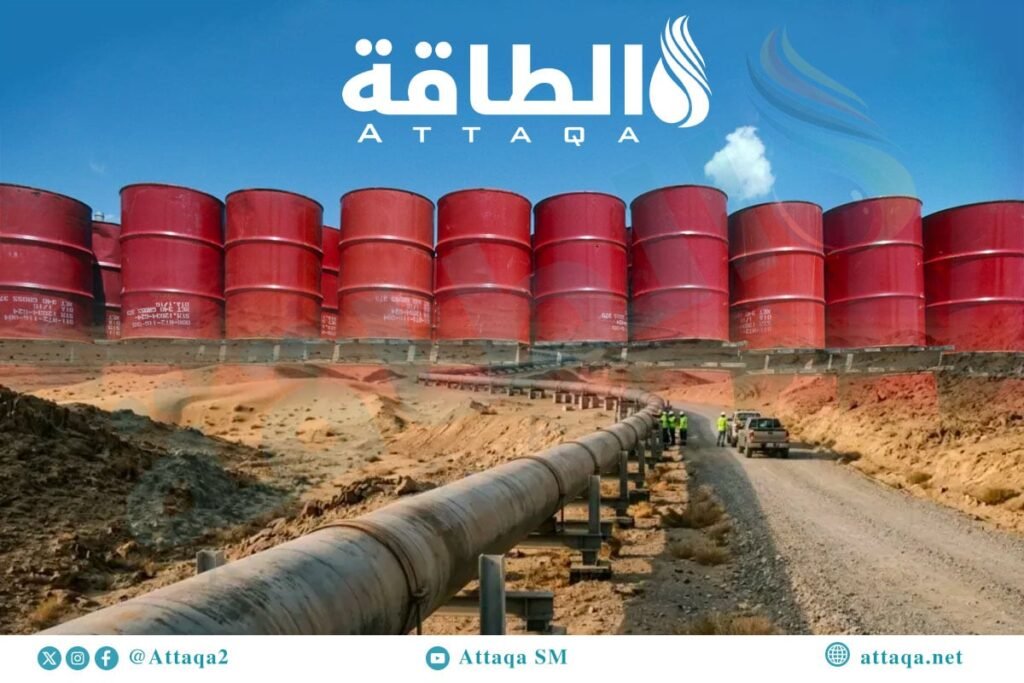
Dubai – The ongoing navigation bottlenecks in the Strait of Hormuz have brought renewed attention to a proposal for a pipeline transporting Gulf oil to Oman’s Ras Markaz terminal. This infrastructure project is being evaluated by regional nations as a critical pathway to enhance global market access while mitigating transit risks.
Strategic Importance of Ras Markaz
The Omani facility within the Duqm Special Economic Zone offers significant storage capacity reaching 200 million barrels. Its location on the Arabian Sea provides a direct route away from the chokepoint, offering proximity to growing Asian markets and ensuring long-term economic and strategic value for participating states.
Saudi Arabia Explores Additional Export Routes
Amin Nasser, CEO of Saudi Aramco, confirmed that the company is studying the creation of fourth and fifth export corridors alongside existing routes through the Red Sea and Egypt’s Suez Canal. This move underscores Riyadh’s commitment to diversifying its logistical network to safeguard revenue streams against regional instability.
Kuwait and Iraq Seek Alternatives
Kuwait Petroleum Corporation has repeatedly stated it is exploring pipelines through neighboring countries to bypass the Hormuz Strait, which remains its sole export outlet. Meanwhile, Iraqi officials discussed a potential link from Basra to Oman in late 2025, noting that current crises are accelerating these feasibility studies significantly.
Potential Pipeline Corridors
Analysts suggest two primary land-based routes involving Kuwait and Saudi Arabia due to their geographic positioning. A third option involves a direct line from Saudi ports to Duqm. These proposals align with Oman’s vision to become a regional energy hub leveraging its advantageous maritime position.
National Priorities Differ Significantly
The urgency varies among stakeholders. Iraq relies on Hormuz for ninety percent of its thirty-five hundred thousand barrel daily exports. Kuwait faces total dependency on the strait, having recorded zero crude shipments via this route in May 2026 according to Kpler data, highlighting extreme vulnerability.
Saudi Diversification Strategy
Saudi Arabia possesses more alternatives, including its East-West pipeline to the Red Sea with seven million barrel daily capacity. However, recent drone attacks on infrastructure reinforce the need for redundancy. Diversification remains essential for maintaining global supply stability despite existing robust logistical capabilities.
This story was produced in the newsroom from the disclosed sources named above.