
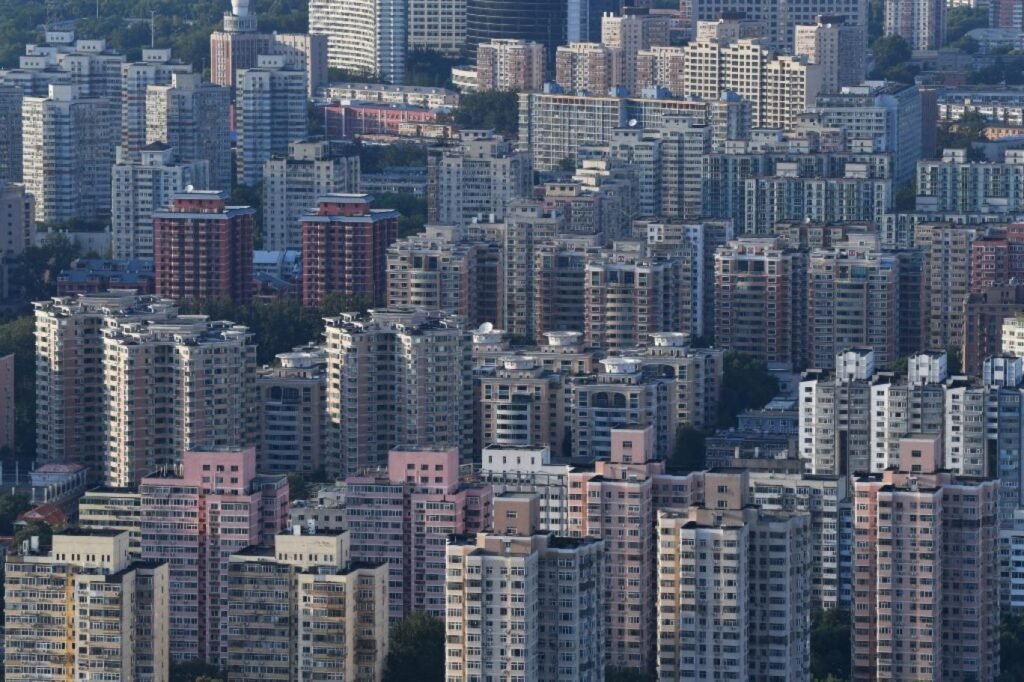
Dubai – The construction and building sector secured the leading position among funded economic sectors in Egypt, capturing 23.7 percent of total outstanding credit balances for the largest 100 borrowers from the Egyptian banking sector by the end of March 2026. This dominance was achieved despite a notable annual growth rate of 20.6 percent recorded during the period, according to data analyzing the portfolio of the largest corporate clients.
Total outstanding credit balances for the top 100 borrowers across both public and private business sectors reached approximately 1.7 trillion Egyptian pounds by the end of March 2026. This figure represents an annual growth rate of 18.1 percent, which marks a significant deceleration compared to the 27.7 percent growth observed during the corresponding period of the previous year.
Concentration of Credit Among Major Sectors
Data revealed that six major economic sectors collectively held approximately 74.5 percent of the total credit balances for the top 100 borrowers by the end of last March. These six sectors contributed 78.2 percent to the overall portfolio growth, highlighting a heavy concentration of bank financing within large-scale economic activities rather than dispersed small enterprises.
Significant Slowdown Amid Rising Costs
The construction and building sector experienced a marked slowdown during the first nine months of the fiscal year 2025-2026, recording a modest growth rate of just 1.2 percent. This performance contrasts sharply with the 4.4 percent growth seen in the same period previously, while its contribution to gross domestic product growth dropped to 1.8 percent from 8.3 percent.
This underperformance occurred amidst intensifying pressures on execution costs. Cement prices surged by 42.8 percent during the first half of the fiscal year 2025-2026 compared to the prior period. Meanwhile, the average price per ton of rebar stood at approximately 38.2 thousand pounds, despite a slight relative decline of about 5 percent.
Impact of High Interest Rates and Taxes
Sales of rebar and cement fell by 4.5 percent and 1.2 percent respectively, coinciding with sustained high lending interest rates exceeding 27 percent. Additionally, tax burdens on contracting works increased significantly after being subjected to a general value-added tax rate of 14 percent, replacing the previous schedule tax of 5 percent.
Despite these challenges, the sector posted positive growth of 0.2 percent in the third quarter of the fiscal year 2025-2026. This recovery was driven by accelerated implementation of investment projects in energy, electricity, industrial, and developmental fields, alongside rising sales values for rebar and cement by 13.5 percent and 4.8 percent respectively.
The sector continues to benefit from the state’s execution of major national and investment projects, particularly in transport, energy, and housing, including the Ras Hekma project and the Suez Canal Economic Zone development. Banks are maintaining necessary financing while companies diversify funding through securitization and strategic partnerships.
This story was produced in the newsroom from the disclosed sources named above.