
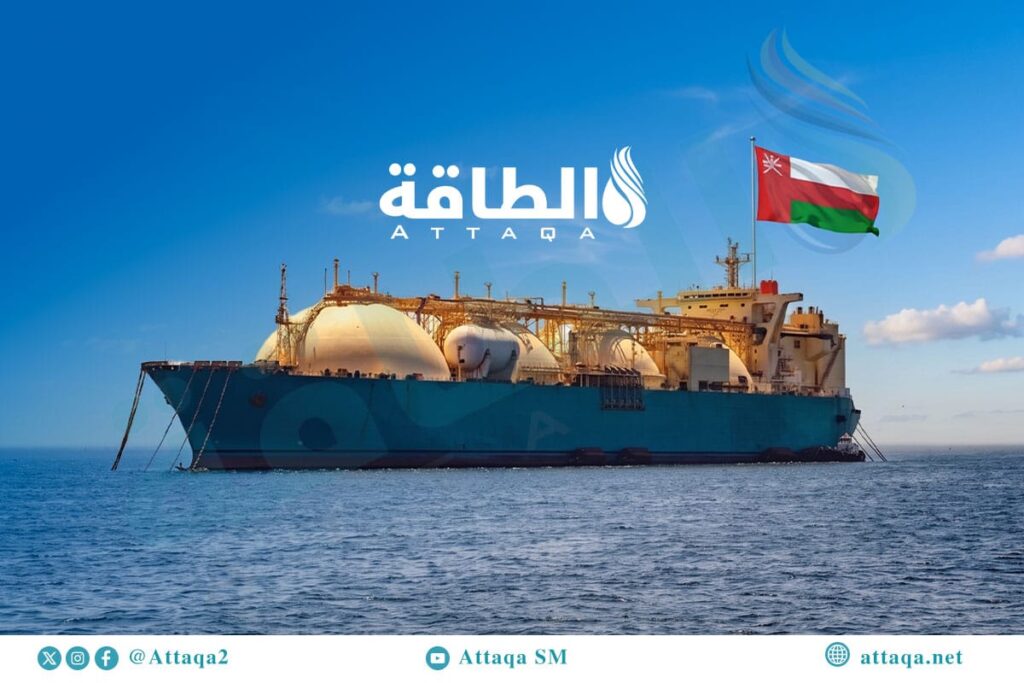
دبي – Oman’s liquefied natural gas sector is positioning itself to secure significant new contracts in Asian markets. This strategic move comes as Thailand, the largest importer in Southeast Asia, actively seeks alternative supply sources. The shift is driven by ongoing geopolitical tensions that have disrupted traditional energy routes.
Diversification Strategy Driven by Regional Instability
According to information obtained by Washington-based Energy Platform, Thailand’s PTT Public Company Limited is evaluating new LNG imports from multiple regions. Oman tops this list, alongside North America and West Africa. These efforts aim to diversify supplier portfolios and enhance national energy security for Bangkok.
The Thai initiative follows severe disruptions to Qatari supplies, Qatar being the country’s primary provider. Hostilities involving Iran and the closure of the Strait of Hormuz forced Thailand to increase imports from the United States. Currently, Thailand relies on the spot market for approximately fifty percent of its needs, highlighting the critical importance of diversified long-term contracts.
Geographic Advantage and Record Export Volumes
Bandit Thamrongsombat, Executive Director of Upstream Operations at PTT, emphasized the company’s desire to avoid reliance on a single supplier. He noted that options include Oman, Canada, Mexico, West Africa, and other Middle Eastern nations. Oman holds a distinct geographic advantage for Asian buyers, as its export facilities are located outside the Strait of Hormuz.
This location allows shipments to reach global markets without passing through the war-affected waterway. Furthermore, record-high Omani LNG exports strengthen the Sultanate’s ability to capitalize on Asian demand. Monthly exports reached 1.167 million tons in August 2026, setting a new benchmark for the sector.
Strong Trade Flows and Future Expansion Plans
Total exports for 2025 stood at 11.52 million tons. Data indicates a sixteen percent year-on-year rise in the first half of 2026, reaching 6.52 million tons. The second quarter alone saw a twenty-seven percent increase to 3.28 million tons, marking the highest semi-annual volume in history. Thailand was already the fifth-largest importer during this period.
Thai imports from Oman surged seventy percent annually to 0.49 million tons, compared to 0.29 million tons in early 2025. PTT aims to expand its import capacity to 27 million tons annually within three years. The company targets adding ten million tons by 2030 and another fifteen million by 2035.
Hamad Al Naimi, CEO of Oman LNG, stated that the Hormuz crisis will end soon. He clarified that current production increases began two years ago and are part of long-term plans, not temporary crisis responses. The company continues to explore joint loading opportunities to reduce costs without disclosing partner identities.
This story was produced in the newsroom from the disclosed sources named above.