
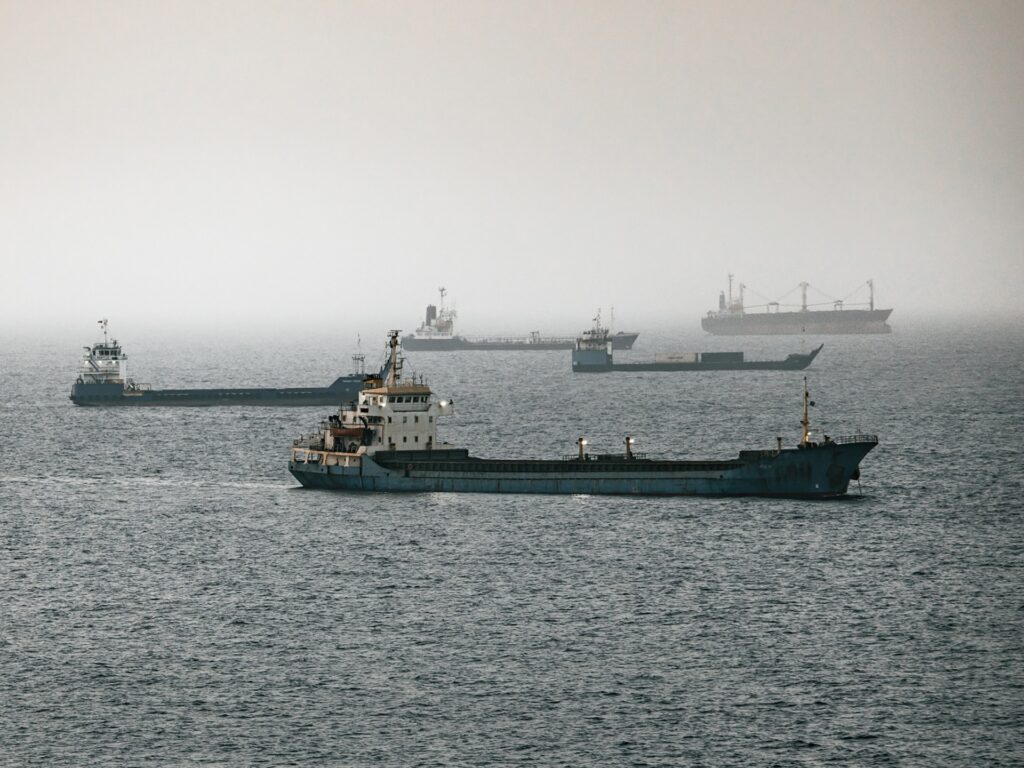
Iranian oil exports face severe contraction due to intensified US naval blockades, prompting Chinese refiners to pivot toward alternative suppliers from the Gulf region. This strategic shift has significantly reduced Tehran’s access to vital foreign currency reserves while increasing economic pressures on its domestic markets.
Shift in Chinese Procurement Strategies
Energy sector officials in the Gulf of Mexico report that major Chinese purchasers are increasingly turning to Saudi Arabian, Iraqi, and Emirati crude oils. This transition occurs as Iranian crude becomes relatively more expensive compared to competing supplies due to its growing scarcity in international markets. The Wall Street Journal highlights that declining export revenues stem directly from sustained American maritime restrictions hindering shipments across the Persian Gulf.
Drastic Decline in Floating Inventories
Kpler data indicates that floating inventories may deplete entirely next month if current export levels persist at approximately one million barrels daily, primarily destined for China. Since mid-July, when the US Navy reimposed strict enforcement measures, no Iranian crude shipments have successfully crossed the blockade zone. Consequently, stockpiles held on vessels outside the restricted area have plummeted from roughly ninety million barrels to just twenty-nine million barrels.
Economic Consequences for Tehran
After six months of enforced isolation, Iran suffers from a critical shortage of oil, its primary source of foreign exchange. The Iranian Rial has depreciated sharply while inflation rates rise, plunging the economy into deeper crisis. Oil revenues traditionally finance about one-third of the state budget and directly fund military operations, including those of the Islamic Revolutionary Guard Corps through specialized shell companies and secret fleet networks.
Production Halts Inside the Gulf
Recent figures show Iranian loading volumes inside the Gulf dropped by eighty-five percent during August compared to early spring averages, settling at merely two hundred fifty-five thousand barrels per day. These quantities remain trapped behind the blockade line, unable to reach buyers. Meanwhile, Iraq offers discounts up to thirty dollars per barrel for certain grades, making it an attractive substitute for cost-sensitive refineries seeking stable supply chains amidst geopolitical volatility.
This story was produced in the newsroom from the disclosed sources named above.