Oil prices declined during trading on Tuesday, August 25, 2026, marking the second consecutive session of losses as investors assessed the impact of newly expanded United States sanctions on Iran. The downturn followed a broader market trend where traders appeared unconcerned that Washington’s latest economic measures would significantly alter global energy flows.
Sanctions and Market Reaction
The United States announced on Monday an expansion of its sanction regime against Iran, aiming to sever what officials described as the country’s economic lifeline. Treasury Secretary Scott Bessent warned that other nations must cut commercial ties with Tehran or risk being forced out of the dollar-based financial system. However, the administration stopped short of implementing the most severe restrictions, instead issuing a warning to the global community to cease trade with the Iranian government.
Despite the aggressive rhetoric, market strategists at ING noted that the reaction was muted. Traders appear to view US efforts to isolate Iran commercially as marginal rather than impactful on immediate supply. Consequently, the initial market response was a decline in prices rather than the sharp spike typically associated with geopolitical threats to energy infrastructure.
Trading Figures and Technicals
By 05:55 GMT (08:55 Mecca time), standard Brent crude futures for October 2026 delivery had fallen 0.60% to $91.62 per barrel. West Texas Intermediate (WTI) crude for the same period dropped 0.54% to $84.55 per barrel. These figures reflect data tracked by Energy Platform, a Washington-based monitoring service.
The decline continued losses from Monday, when crude ended the day down 2.5%, erasing gains made earlier in the week. Analysts attributed the previous day’s drop to profit-taking operations following price increases over the preceding two weeks. On Monday, Brent and WTI had recorded losses of 2.35% and 2.4%, respectively.
Military Posture and Strategic Reserves
US Defense Secretary Pete Hegseth stated that the use of military force against Iran remains an option, though he emphasized a shift toward greater economic coercion. Analysts suggest this pivot away from imminent military action has alleviated fears regarding direct threats to Middle Eastern oil supplies. Tim Water, chief market analyst at KCM Trade, explained that markets perceive economic pressure as a less risky path for physical supply disruption compared to military engagement.
However, Water cautioned that Iran retains the capacity to respond by disrupting shipping, which continues to maintain a residual premium in oil prices. Tensions remain high regarding the Strait of Hormuz, a vital chokepoint through which approximately 20% of global oil consumption previously flowed before hostilities began in February. On Monday, Iran identified 45 tankers it claimed violated crossing rules and threatened confiscation of their cargo.
Supply Disruptions and Inventory Drawdowns
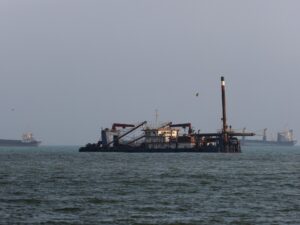
Physical disruptions continue to pose risks. UK maritime trade operations reported that a tanker was struck by an unidentified projectile and disabled on Tuesday, located nine nautical miles off the coast of Oman.
In response to ongoing supply uncertainties stemming from the conflict that began on February 28, nations have been drawing down commercial and strategic reserves. The US Department of Energy reported last Monday that crude oil stocks in the Strategic Petroleum Reserve fell by approximately 3.7 million barrels to 289.7 million barrels. This level represents the lowest stockpile volume since November 1982.
This story was produced in the newsroom from the disclosed sources named above.