
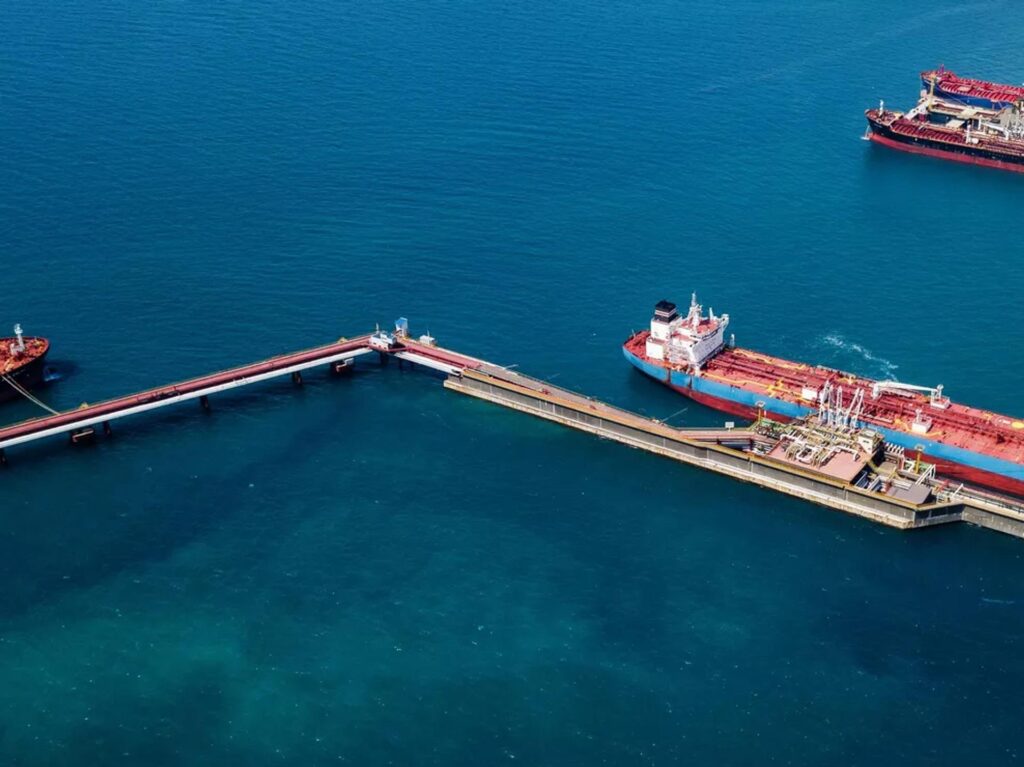
دبي – Japan’s crude oil imports from the Persian Gulf region experienced a significant monthly surge in July 2026, rising by 10.32 percent compared to the previous month. Official data indicates that total shipments reached approximately 43.39 million barrels during this period. This increase stands in contrast to the 39.33 million barrels recorded in June 2026, marking a notable rebound in regional supply flows to Tokyo.
Key Supplier Dynamics
The United Arab Emirates maintained its position as the leading Gulf supplier, delivering 22.07 million barrels. This volume accounted for roughly 29.9 percent of Japan’s total crude requirements for the month. However, these shipments represented an 18.41 percent year-on-year decrease from the 27.05 million barrels supplied in July 2025. On a monthly basis, Emirati exports also saw a slight contraction of 2.22 percent compared to June figures.
Saudi Arabia secured the second-largest share, exporting 20.16 million barrels to Japan. This contribution constituted 27.3 percent of the nation’s total crude needs. While Saudi volumes fell 7.35 percent annually against the previous year’s 21.76 million barrels, they exhibited a robust monthly growth of 47.91 percent over June’s 13.63 million barrels.
Oman’s Return and Regional Gaps
Sultanate of Oman re-entered the Japanese market with 1.16 million barrels, capturing a 1.60 percent share. This marked a distinct return after recording zero exports in both June 2026 and July 2025. Conversely, Kuwait and Qatar registered no crude oil exports to Japan during July 2026. Kuwait had previously supplied 4.93 million barrels in July 2025 and 3.13 million in June 2026, while Qatar exported 1.45 million barrels in July 2025 but none in June 2026.
Strategic Diversification Trends
Total Japanese crude imports from all global sources climbed to 73.71 million barrels in July, up 16.99 percent from 63.01 million barrels in July 2025. Monthly growth stood at 16.83 percent against June’s 63.10 million barrels. Despite the monthly rise in Gulf imports, their share of Japan’s total crude intake dropped sharply to 58.8 percent from 87.5 percent a year ago. This shift reflects Tokyo’s strategy to diversify supplies amid geopolitical tensions involving Iran. Historically, Japan relied on the Middle East for 94 percent of its oil in 2025, with 93 percent transiting the Strait of Hormuz.
This story was produced in the newsroom from the disclosed sources named above.