
Iraq Central Bank Refuses Dollar Rate Hike Costs to Traders

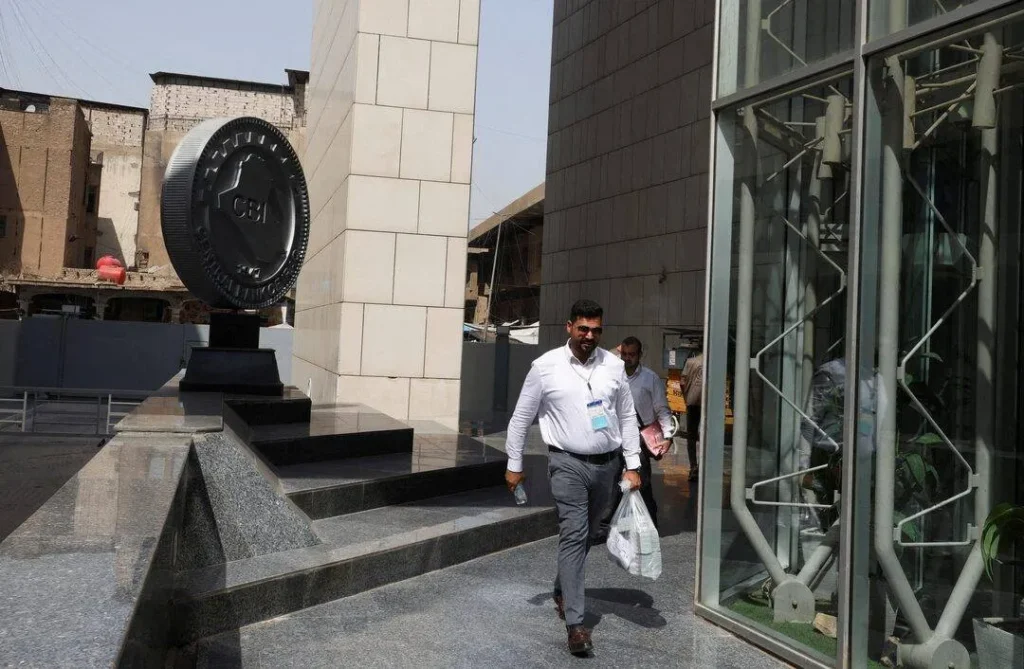
Dubai – The Central Bank of Iraq announced on Saturday that it would not charge traders new exchange rate differences for dollar remittances that were confirmed and covered at the previous rate before the seventh of the current month. This decision follows significant market disturbances caused by the bank’s sudden move to raise the official dollar exchange rate in the 2027 federal budget from 1320 dinars to 1520 per dollar.
Market Turmoil and Official Response
The Iraqi markets experienced considerable instability after the central bank implemented this unexpected adjustment to the currency valuation within the general budget project for the fiscal year 2027. In a press statement issued on Saturday, the bank addressed concerns regarding merchant remittances due for execution, emphasizing its commitment to monitoring banking operations conducted both before and after the modification of the dollar exchange rate.
Protecting Merchant Rights
The authority stated that it verifies compliance with existing instructions and regulations to ensure the protection of rights for both merchants and customers. It urged companies and traders whose import financing remittances were due for execution before the seventh of the month to review their banks and confirm implementation. The central bank had previously strengthened bank accounts to cover these remittances and monitor any delays.
Complaint Mechanisms and Future Support
The bank stressed that if execution is delayed or additional amounts are demanded, complaints can be submitted via the central bank’s complaint platform for follow-up with the concerned bank. Furthermore, it indicated coordination with banks and electronic payment companies to launch special cards for foreign trade to facilitate import financing for small traders according to specified mechanisms.
Impact on Parallel Markets and Prices
The adjustment of the dollar exchange rate in Iraq led to an increase in prices in the parallel market to 1665 dinars. This shift also resulted in a significant rise in the prices of basic goods and electrical appliances, affecting consumer costs across various sectors within the national economy.
This story was produced in the newsroom from the disclosed sources named above.